Navigating Pricing Management for Complex B2B Catalogs
Your guide to managing complex B2B pricing structures, from PIM data governance to Shopify B2B Catalogs. Chart your pricing course with confidence.
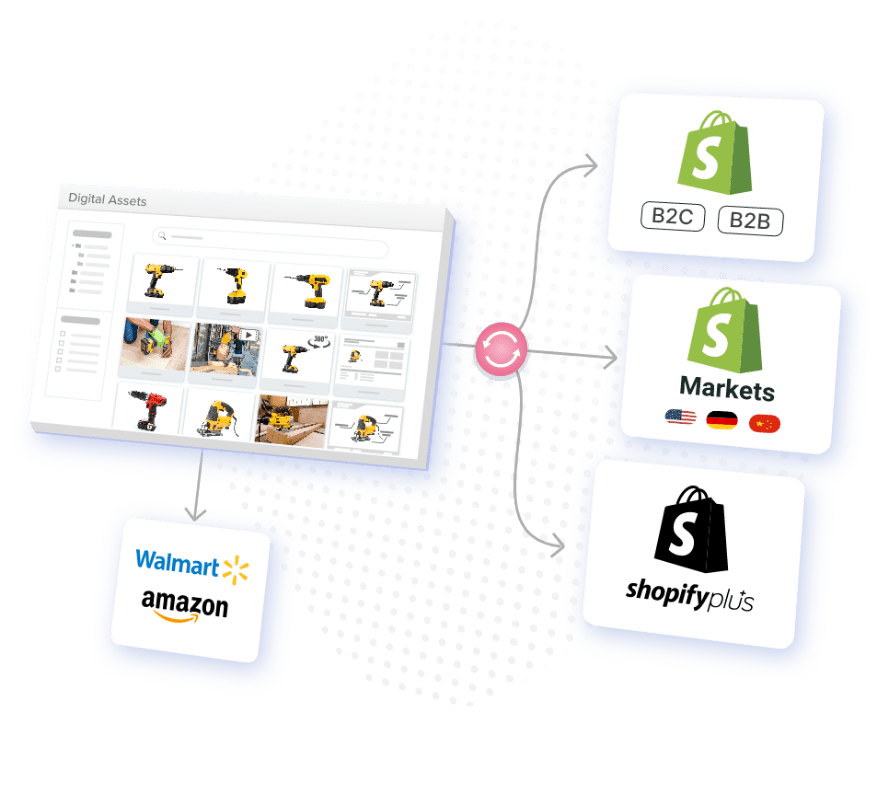
Managing pricing across a complex B2B catalog means splitting the job between two systems. A Product Information Management (PIM) system stores and governs price data: base rates, volume tiers, and parent-child SKU rules. An ERP, CPQ, or storefront engine then calculates the final price. It uses that governed data plus the buyer’s contract terms, credit status, and order size. Keep these roles separate, and pricing stays accurate across every channel you sell through.
What’s the Difference Between a PIM and an ERP in B2B Pricing?
A PIM stores price data. An ERP or CPQ engine calculates the price a buyer actually pays. That’s the whole boundary. A PIM holds the base rate, the currency, and the volume tier thresholds. It also holds the rule for how a parent SKU’s price cascades to its variants. The ERP or storefront then applies a specific buyer’s contract terms and discount rules to that governed data in real time.
B2B buyer expectations have made this split non-negotiable. Procurement teams want self-service ordering. They want to see their real price the moment they log in, not after a quote request. They expect that price to reflect their volume commitments and contract terms automatically.
McKinsey ran its ninth annual B2B Pulse Survey in 2024. It surveyed nearly 4,000 B2B decision makers. The result: 39% of B2B buyers now say they’d spend over $500,000 per order through self-service digital commerce. That’s up from 28% two years earlier. A pricing system that can’t show the right number fast is now a real barrier to revenue.
Sophisticated pricing management frees your sales team to build relationships instead of generating manual quotes. Automated pricing cuts errors. It speeds up order processing. It gives every customer a consistent experience while still supporting the flexibility complex B2B relationships need. Companies that show accurate, customer-specific pricing right away win faster sales cycles. They also see stronger customer satisfaction than competitors still relying on manual pricing.
Most pricing errors trace back to one cause: price logic and price data living in the same ungoverned place. That might be a spreadsheet. It might be loosely controlled storefront metafields. The fix is architectural, not procedural. A PIM syndicates clean, validated price attributes to downstream systems over a server-side API or GraphQL feed. Those systems apply account rules and real-time discounts on top of that data. They never become the record of truth themselves. One SKU can then support a public list price, a distributor tier, and a negotiated enterprise rate. No drifting copies. No manual reconciliation.
How Do You Architect Volume Discount Pricing?
Volume discount pricing needs a rules engine. It has to handle multiple tiers. It has to calculate discounts dynamically. And it has to show customers exactly what they’ll save at the next quantity break. The table below covers the four decisions every volume pricing structure has to make.
| Design Decision | What It Requires |
|---|---|
| Tiered discount structures | Multiple discount tiers by quantity range, product category, or order value, calculated dynamically with clear savings visibility for the customer |
| Progressive vs. all-units pricing | Progressive pricing discounts only the units above a threshold; all-units pricing discounts the entire order once a threshold is hit. Each needs different technical logic and customer messaging |
| Category-specific volume rules | Different discount structures per product category, reflecting different margins, without slowing the system or confusing the buyer |
| Seasonal and promotional overlap | A rule engine that prioritizes and combines seasonal pricing, promotions, and volume discounts correctly, so they don’t conflict or miscalculate |
Make Catsy DAM and PIM Software an Extension of Your Team. Book a Free Demo
How Should Contract Pricing Be Managed at Scale?
Contract pricing at scale needs secure rate storage, tracked renewal dates, and a clear approval path for exceptions. Here’s what each part covers:
- Negotiated rate storage and retrieval: Secure storage of customer-specific rates, with access controls and audit capability. The system needs a fallback rate for products a contract doesn’t cover.
- Contract term management: Tracking of validity periods, renewal dates, and quantity commitments, with automatic renewal alerts and a clean handoff between contract periods.
- Approval workflow integration: A built-in approval path for pricing exceptions or requests outside standard terms, one that doesn’t slow down normal order processing.
- Performance tracking and analytics: Visibility into contract utilization and volume commitment tracking, so renewal negotiations are based on real usage data.
How Do You Set Customer-Specific Pricing Rates?
Customer-specific rates require four things working together: account hierarchy, CRM integration, geographic rules, and exception handling. The table below covers each.
| Requirement | What It Solves |
|---|---|
| Account-based pricing hierarchies | Pricing rules that cascade from a parent account down to subsidiaries or departments, with the right visibility and control at each level |
| CRM and ERP integration | Real-time accuracy on relationship status, credit terms, and account standing, even under high order volume |
| Geographic and shipping variance | Rates that shift by shipping destination, delivery method, or regional cost, shown transparently to the buyer |
| Exception handling and overrides | A controlled path for one-off pricing situations that keeps automation efficient without losing flexibility or audit trails |
How Does Parent-Child SKU Inheritance Work for Pricing?
Parent-child SKU inheritance lets a base price cascade automatically from one parent SKU to every variant beneath it. Set the price once, and every size, material, or packaging variant inherits it. This is the product-level version of the account hierarchies described above.
Inheritance matters most for override control. A distributor catalog with thousands of variants can’t have someone re-typing the same base price hundreds of times. Inheritance handles the default. A field-level override handles the exception, like a packaging variant that costs more to produce and needs its own fixed price.
GS1’s Global Data Model applies this same governance idea at the industry level. It defines a consistent set of product attributes, price fields included. Trading partners use it to keep data in sync without manual work.
What Role Does a PIM Play in Complex B2B Pricing?
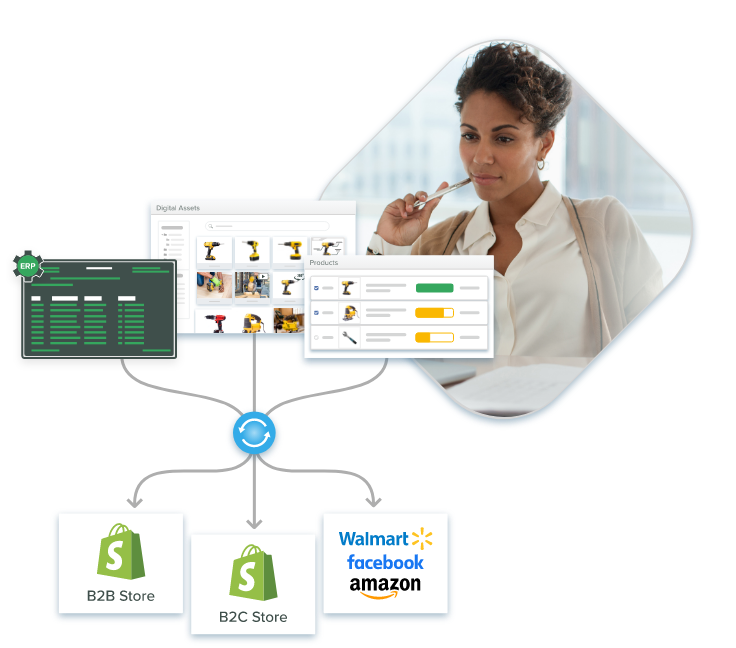
A Product Information Management (PIM) and Digital Asset Management (DAM) platform centralizes the data complex B2B pricing depends on. That means product data, pricing relationships, and customer-specific information, all in one place. These platforms manage exactly this kind of data relationship. One of the top PIM for Shopify solutions is Catsy.
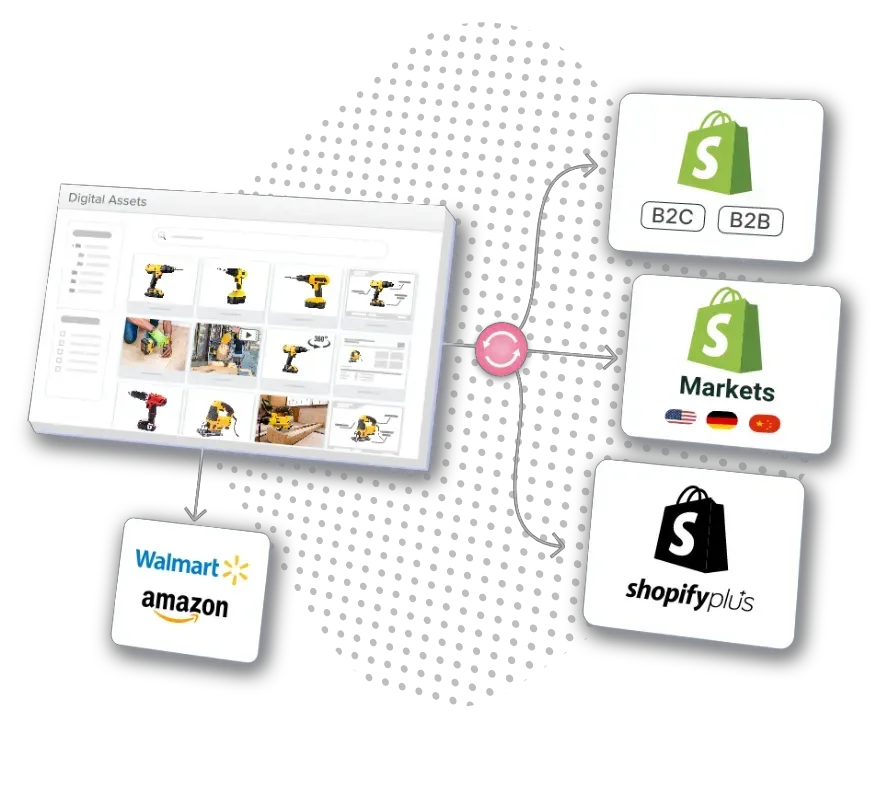
Catsy handles complex B2B scenarios directly: multi-tiered pricing, customer-specific catalogs, and contract-based pricing management. It gives businesses centralized control over product information while still supporting the dynamic pricing that B2B relationships need.
Modern PIM and DAM tools integrate pricing logic directly with product data. Rules can consider product attributes, customer segments, volume thresholds, and contract terms at the same time. That integration is what eliminates the data silos that usually cause complex pricing to break down. The scalable data architecture behind it supports everything from a simple volume discount to a multi-dimensional pricing matrix, without sacrificing performance.
What Are the Best Technical Solutions for Shopify B2B Pricing?
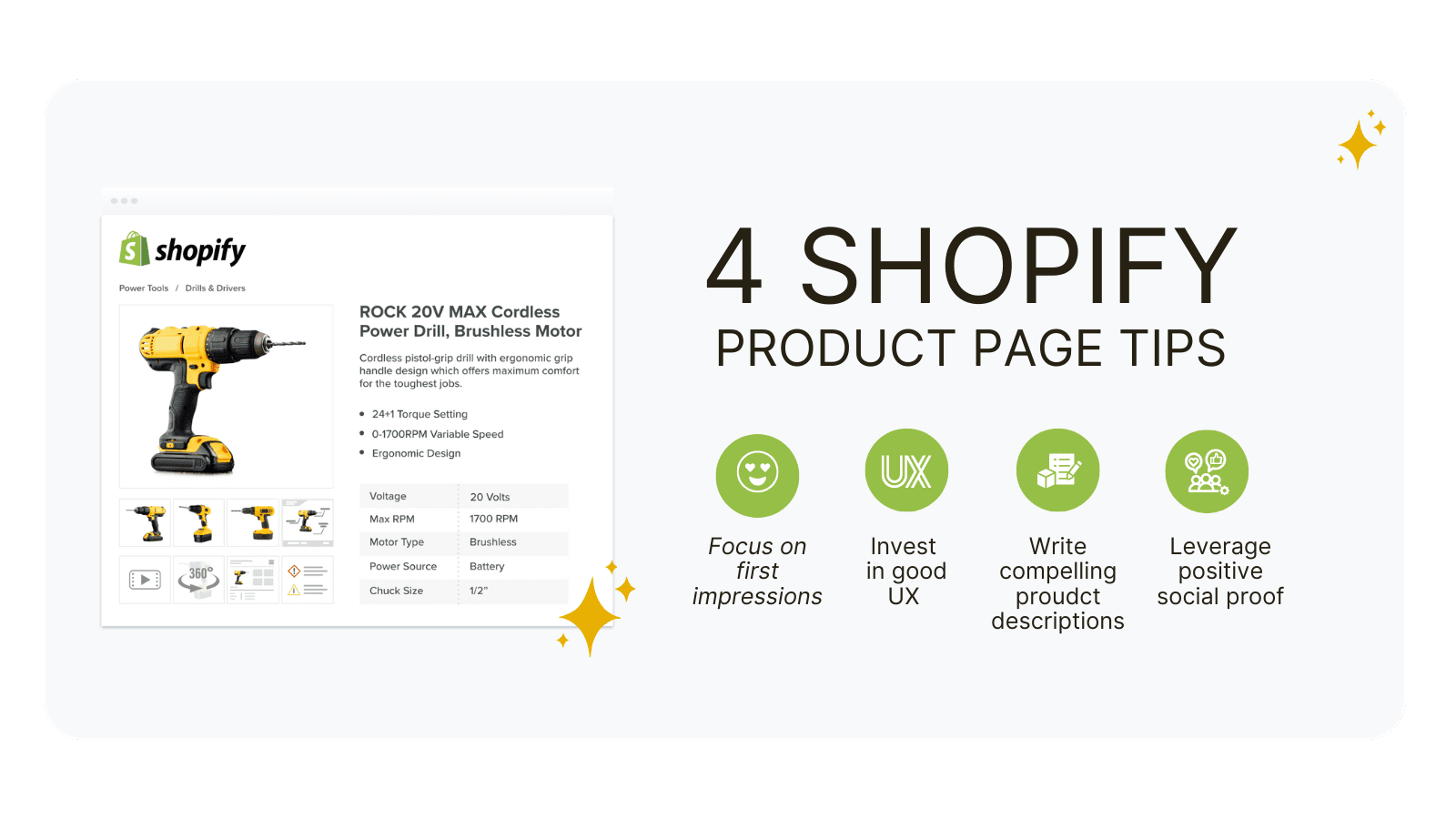
Four technical approaches solve most complex Shopify B2B pricing problems: app integration, an API-first architecture, customer segmentation, and ERP connectivity. The table below covers what each does and how Shopify’s 2026 platform changes affect it.
| Solution | What It Does | 2026 Update |
|---|---|---|
| Advanced app integration | Specialized B2B pricing apps and custom integrations that plug into Shopify’s checkout with sophisticated rule engines | Company accounts, B2B Catalogs, and native volume pricing now ship on every paid plan, not just Plus. Standard plans support up to 3 active catalogs per market with fixed prices, percentage discounts, and quantity rules built in. Plus removes that cap and adds direct catalog assignment to specific company locations |
| API-first pricing architecture | Prices calculated dynamically through Shopify’s API, based on customer identity, order details, and contract terms | No material change; still the backbone of real-time accuracy under high transaction volume |
| Customer segmentation and tagging | Shopify’s tagging and customer group features, extended with external customer management systems | No material change; still the foundation for applying pricing rules efficiently |
| Integrated ERP connectivity | Seamless Shopify-to-ERP connections for consistent pricing, contract management, and account sync across every touchpoint | The connector ecosystem has expanded, with more native and partner ERP options and EDI purchase orders that sync in as draft orders. Dynamic payment terms and deposits now run through Shopify’s own payment customization functions instead of requiring fully custom checkout code |
What Changed With Shopify B2B Catalogs in 2026?
Shopify’s B2B Catalogs now run on every paid plan, not just Plus, which was the biggest limitation of this feature in 2025. Basic, Grow, and Advanced plans each support up to 3 active catalogs per market. Each catalog can carry its own fixed prices, percentage adjustments across a collection, and volume or quantity-break rules.
If a buyer has access to more than one applicable catalog, Shopify shows them the lowest available price automatically. It doesn’t average the prices or prioritize by catalog age. Shopify Plus still adds real scale: unlimited catalogs, direct assignment to individual company locations, and checkout logic built with Shopify Functions.
Watch the practical limit: 3 catalogs per market is a real ceiling for a business with more than three pricing tiers. A PIM’s contract and customer-specific rate data still needs somewhere to live once negotiated rates outgrow those native catalogs. That’s the gap specialized pricing apps and Plus-tier catalog assignment close.
Should Pricing Be Calculated Server-Side or Client-Side?
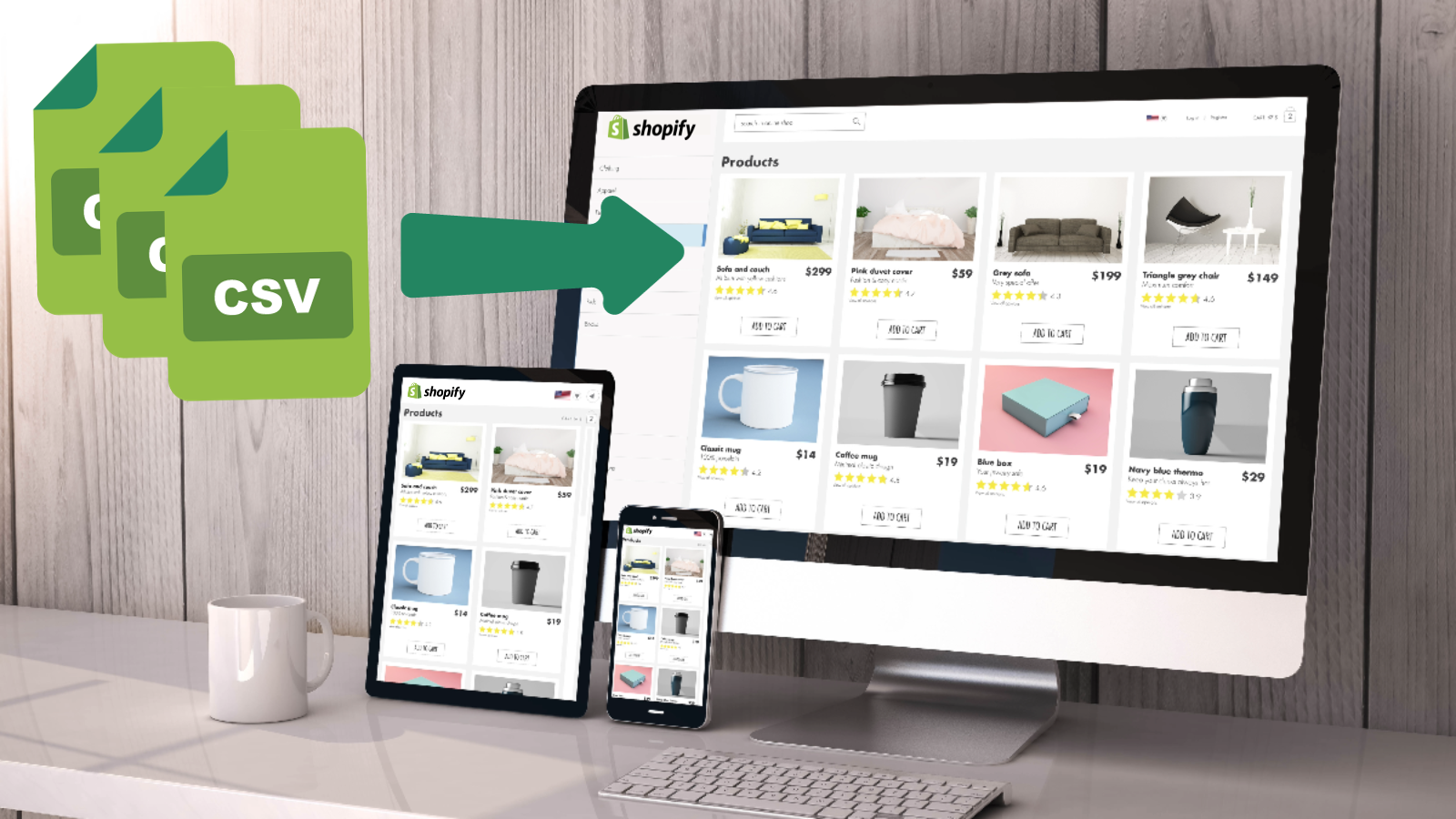
Price should be calculated server-side, before the page reaches the buyer’s browser. A storefront that recalculates price client-side, after the page loads, often flashes the base price before swapping in the account-specific rate. That’s a bad experience for a repeat distributor buyer who expects to see their contract rate right away.
Server-side rendering resolves the correct price before the page ever loads. That avoids the price flash and removes the risk that a slow script leaves the wrong price on screen during checkout. That’s why an API-first architecture matters. It’s not just about having an API. The call has to happen early. The buyer should never see a price that isn’t theirs.
How Do You Govern Price Data Across Sales Channels?
Field-level permissions control who can edit price data once it’s syndicated to ERP systems, marketplaces, or distributor portals. Without that control, a downstream edit can silently overwrite a correct price. Someone “corrects” what looks like a stale rate. But the original rule was right.
The parent-child inheritance model covered earlier only stays trustworthy if overrides are locked down. Set price-attribute fields as editable only at the PIM level. Treat every downstream system as a consumer of that data, not a co-editor. That’s what keeps a multi-channel pricing structure from drifting out of sync with itself.
What Do Real-World B2B Pricing Implementations Look Like?
Three patterns show up repeatedly across complex B2B pricing implementations: customer-specific portals, dynamic component pricing, and total landed cost calculation. These are illustrative scenarios drawn from common implementation patterns, not named, sourced case studies, and are presented here as such.
| Scenario | Challenge | Approach | Result |
|---|---|---|---|
| Industrial supply chain | Customers with widely varying pricing agreements across volume, region, and product category | Customer-specific pricing portals on Shopify that auto-apply contracted rates with clear volume-discount visibility | Fewer pricing errors, faster order processing, and enough flexibility for complex customer relationships |
| Manufacturing component distributor | Pricing needed to reflect real-time inventory, volume commitments, and seasonal demand simultaneously | Dynamic pricing logic that factors in multiple live business variables at once | Immediate pricing feedback for customers, with profitability maintained through intelligent optimization |
| Chemical products B2B platform | Hazardous material surcharges, regulatory compliance costs, and customer-specific packaging requirements | Automatic total landed cost calculation, including every fee and surcharge | Transparent pricing communication with customers, with no manual surcharge calculation |
How Do You Choose a B2B Pricing Implementation Partner?
Choose a partner with demonstrated experience in B2B e-commerce, complex system integrations, and ongoing support, not just initial build work. Implementing complex B2B pricing on Shopify spans e-commerce technology, business process design, and integration architecture all at once. That combination, plus the need to integrate cleanly with existing business systems, often exceeds what internal teams can build alone.
A good implementation partner understands the edge cases in B2B pricing and can recommend architecture that balances functionality with long-term maintainability. Look for experience with performance optimization and the ongoing maintenance that complex pricing systems require. The right partner gives you more than an initial build: they give you strategic guidance as your pricing requirements change and grow.
What’s the Practical Checklist for Pricing Readiness?
Run through these five steps before starting or revisiting a complex B2B pricing implementation.
- Audit where base prices and contract rules currently live. Find every system holding a version of price data, spreadsheets, storefront metafields, ERP tables, a rep’s personal notes, and flag where two systems disagree on the same SKU.
- Set SKU inheritance rules in your PIM. Decide which price fields cascade automatically from parent to child SKUs, and which require an explicit override with a documented approval step.
- Confirm API sync speed between PIM, ERP, and storefront. A contract change shouldn’t leave a stale rate visible to a buyer for hours or days.
- Check catalog capacity against your tier count. On a standard Shopify plan, confirm your pricing tiers fit within the 3-catalog limit, or plan for Plus-level catalog assignment or a dedicated pricing engine.
- Set field-level governance before syndicating price data downstream. Decide, in writing, which systems can edit price attributes and which can only read them.
Key Takeaways
Keep Your Content on Course with Catsy
Catsy centralizes the product and pricing data complex B2B catalogs depend on. It runs on governed workflows and data governance controls, built for teams managing pricing across multiple channels. Syndicating to Amazon, a distributor portal, or a Shopify B2B storefront? Catsy keeps parent-child SKU pricing consistent at the source. Book a Free Demo