What Is PIM?
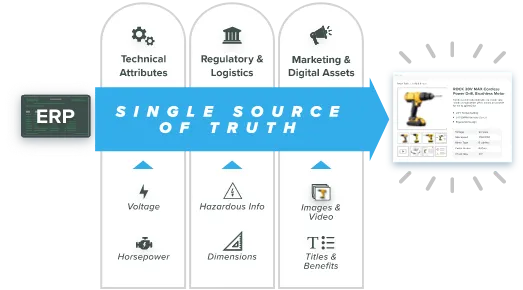
Product Information Management (PIM) is a software category that centralizes a company’s product data — descriptions, specifications, technical attributes, pricing, marketing copy and digital assets into a single source of truth, then distributes that content consistently across every sales channel.

The Problems a PIM Solves

A PIM Centralizes Product Data
A PIM is an application which collects product data for organization, enrichment, and syndication in One Source of Truth.
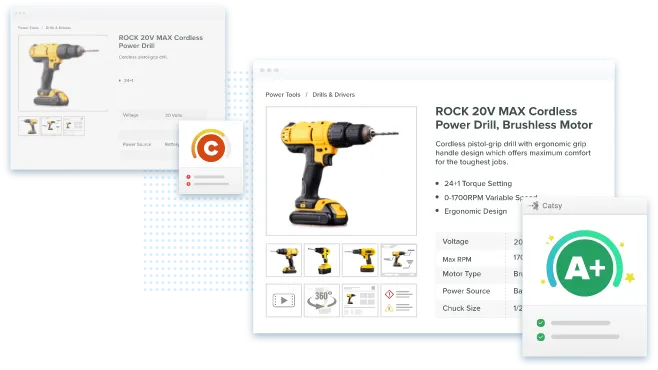
A PIM Optimizes Product Data
With all product data in one system, it is easy to discover key gaps and enrich content for specific audiences and Channels.
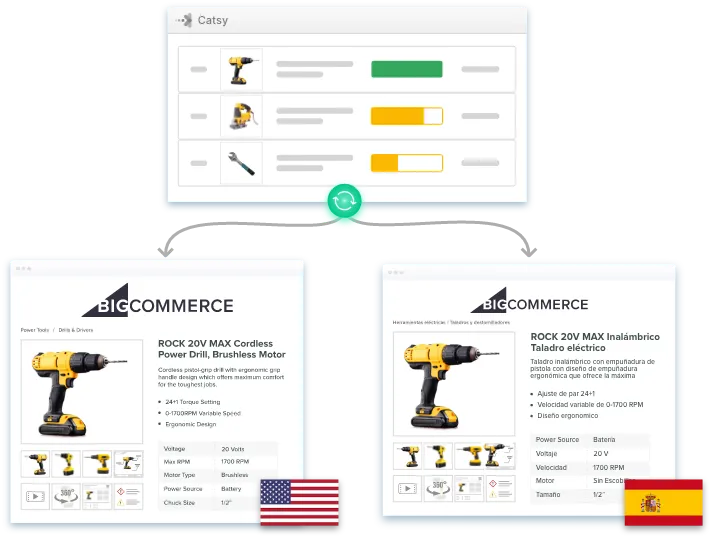
A PIM Tailors Product Data
From one single source of Truth, a PIM allows you to present the right information to the correct channel, regardless of language, currency, or marketplace.
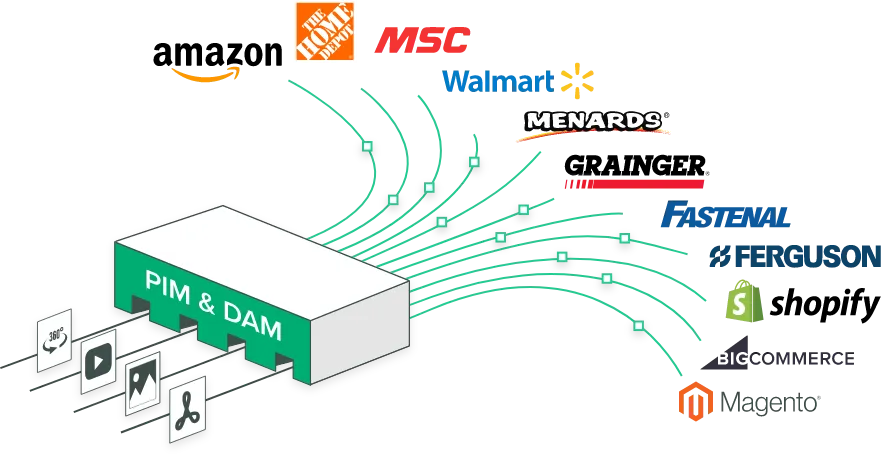
A PIM Provides Channel Consistency
Manage product content in a single source of truth and publish products to all relevant channels at once.
A PIM Speeds Products To Market
A PIM allows you to boost results with an agile, optimized process to sync data and push products to market.
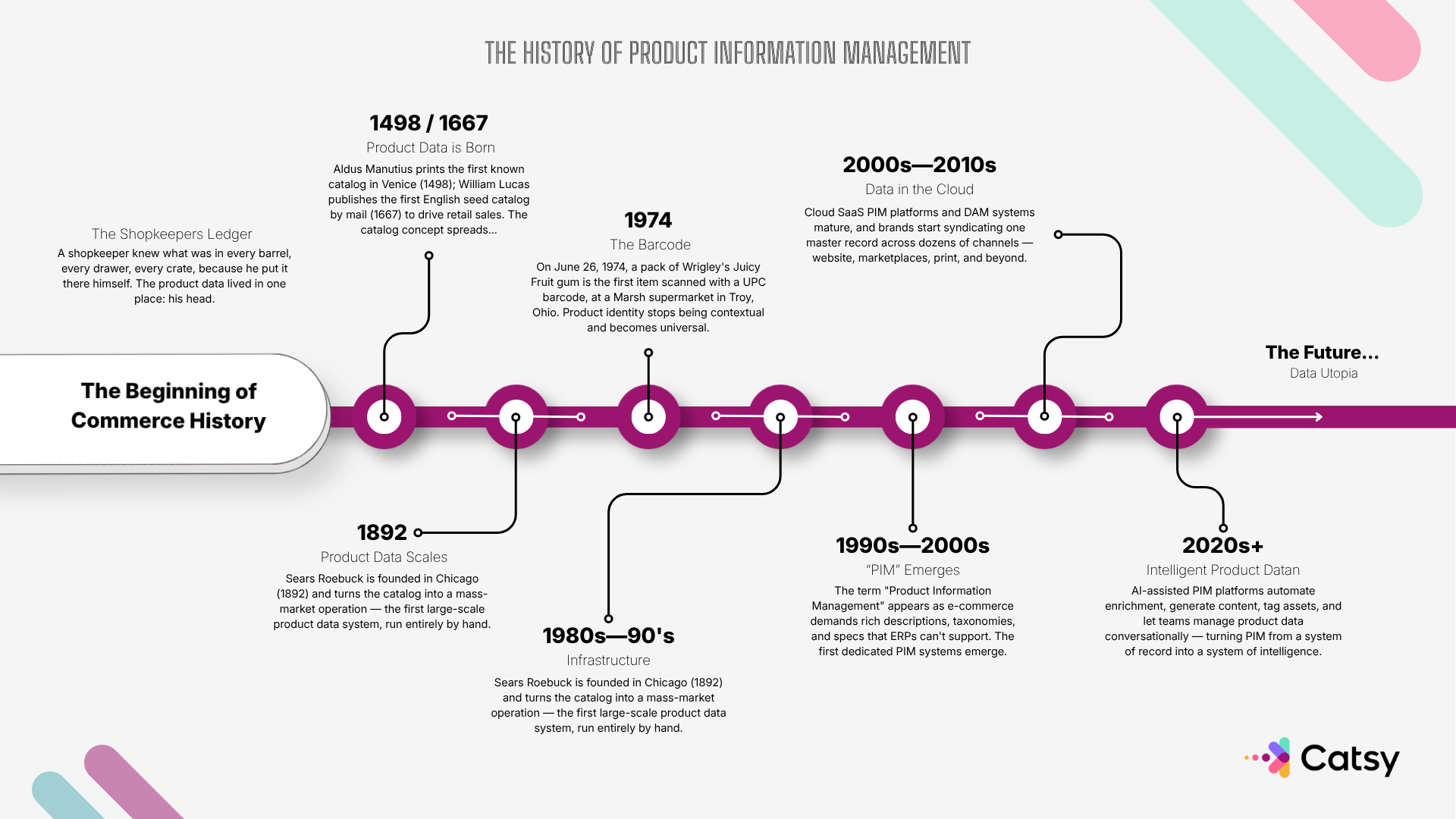
History of PIM
From Ledger to Living Source of Truth
How Does a PIM Work?
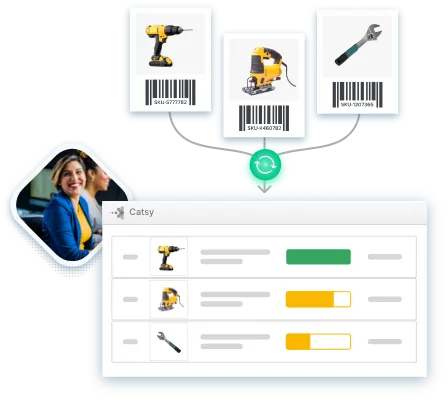
1. Centralize
Collect and organize data into a Single Source of Truth to get products to market faster.
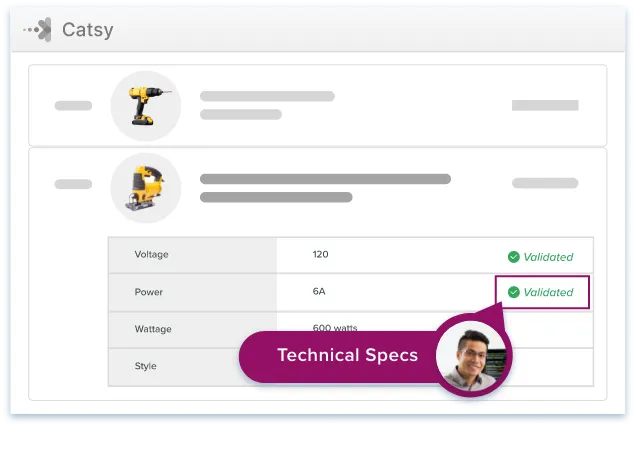
2. Standardize
Conform data to required technical standards, from source to store, in one centralized place.
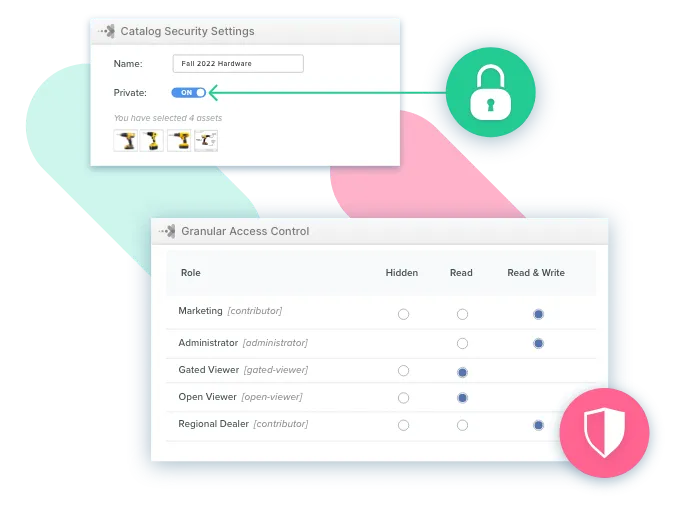
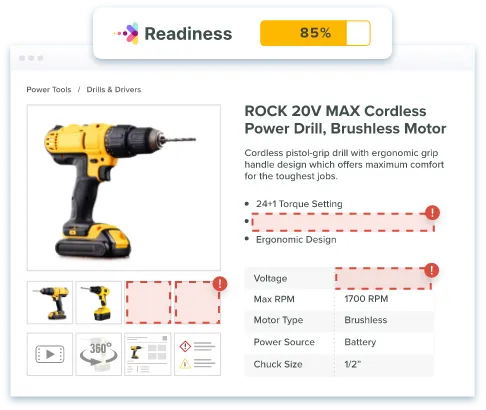
4. Optimize Content
Fully customizable product and channel readiness reports assist your catalog management for simpler and quicker processes. Measuring gaps automatically means products can go live faster, fully populated and without errors.
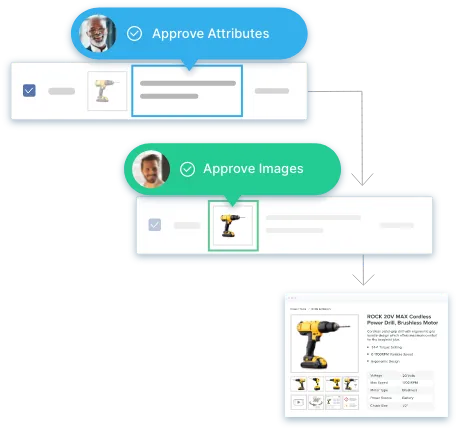
5. Collaborate
Product managers, marketing, Logistics and more can all directly input data and make edit simultaneously up until the date of publish.
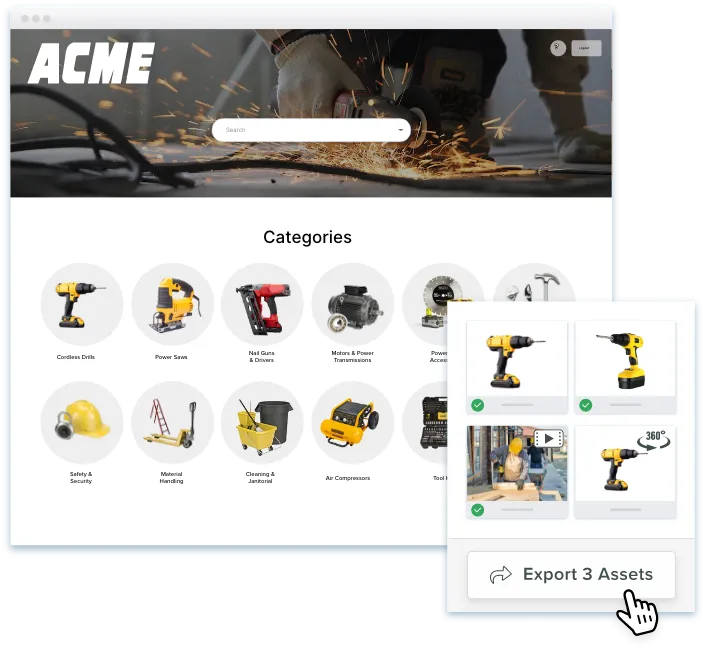
6. Export
Support sales teams and trading partners through self-serving product information and digital Assets in a custom format.
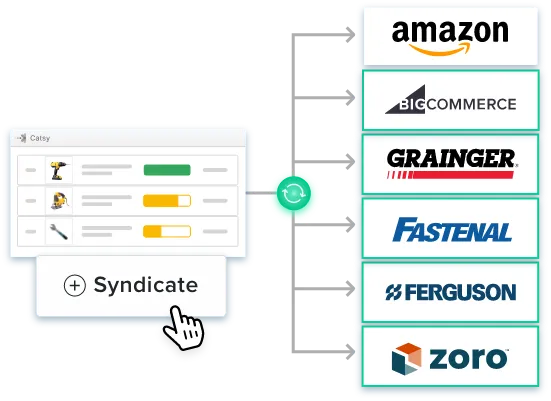
7. Syndicate to Channels
Publish product catalogs or individual updates globally and quickly by picking a Channel Template, selecting only the items you want to share with Distributors.
What Data Does a PIM System Manage?
When people hear “product data,” they usually think SKU numbers and prices. In reality, a PIM system manages seven distinct categories of product information - and each one plays a critical role in how customers discover, evaluate, and buy your products.
| Data Type | What It Includes | Why It Matters |
|---|---|---|
| Technical Data | Specs, SKUs, variant attributes, and compliance certifications | The factual backbone every other data type builds on |
| Marketing & Emotional Data | Product descriptions, brand storytelling, feature highlights, SEO copy, benefit-driven content | Technical data says what it is - this says why they need it |
| Product Usage Data | How-to instructions, installation guides, care/maintenance info, application notes, compatibility details | Directly impacts return rates and post-purchase satisfaction |
| Logistics Data | Dimensions, materials, weights, units of measure, MAP rules, availability, lead times | Prevents conflicts when selling across channels with different pricing structures |
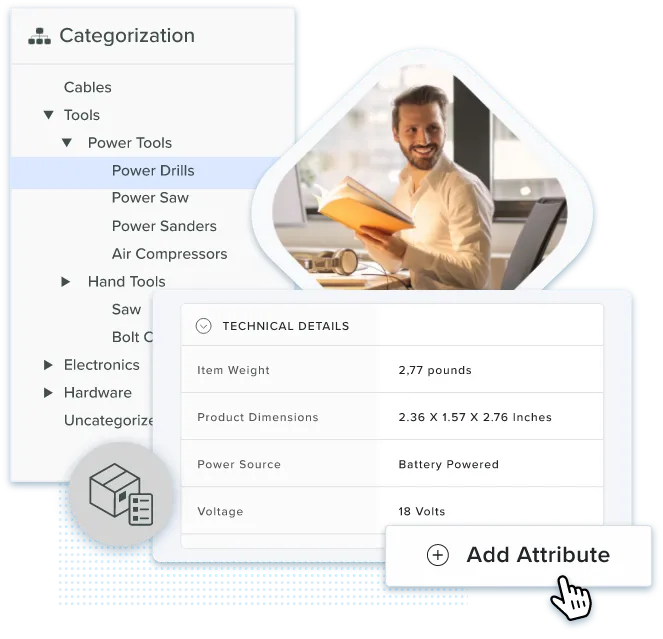
| Categorization & Taxonomy | Product families, categories, tags, variant relationships, cross-sell/upsell associations, collections | The skeleton of your catalog - determines navigation and discovery |
| Localization Data | Translated descriptions, regional compliance attributes, currency conversions, units of measure, market-specific content | International expansion needs more than simple translation |
| Digital Assets | Product images, lifestyle photography, videos, 3D renders, PDFs, spec sheets, safety documentation | The most operationally expensive data to manage - large, version-sensitive, constantly updated |
TLDR: “product data” is more than SKUs and prices - it’s seven distinct categories, and each one plays a different role in how customers discover, evaluate, and buy.
Benefits of Product Information Management
Data Accuracy and Consistency
A single source of truth eliminates conflicting product information across sales channels. When your Shopify store, Amazon listings, and distributor portal all pull from the same PIM record, inconsistencies disappear. Gartner research estimates that poor data quality costs organizations an average of $12.9 million per year.
Faster Time to Market
Automated workflows cut product launch timelines from weeks to days. Instead of manually assembling product listings for each channel, teams publish across all channels simultaneously from the PIM. The result is dramatic compression of launch timelines, especially for brands managing seasonal collections or frequent new product introductions.
Reduced Returns and Customer Complaints
Accurate product data means customers get what they expect. When product descriptions, images, dimensions, and specifications are correct and consistent across every channel, the “this isn’t what I ordered” returns drop significantly.
Operational Efficiency
Teams stop wasting time on manual data entry and spreadsheet wrangling. Research published in MIT Sloan Management Review puts the cost of bad data at 15% to 25% of revenue for most companies.
Revenue Growth
Better product content drives higher conversion rates. Complete, accurate, and compelling product listings outperform thin listings on every ecommerce platform. Richer product content builds buyer confidence - fully fleshed-out listings with multiple images, complete specs, lifestyle context, and clear descriptions reduce the perceived risk of an online purchase.
Scalability
Add channels, SKUs, and markets without proportional headcount increases. When you expand from 500 SKUs to 5,000, or add three new marketplace channels, a PIM system handles the complexity through automation rather than additional staff.
Who Needs a PIM?
PIM isn’t for every business. A company selling 15 products through a single Shopify store probably doesn’t need one. But once product data complexity crosses a certain threshold, PIM stops being optional.
| You are… | Challenges | With a PIM |
|---|---|---|
| Marketing | Inconsistent messaging, outdated assets, manual copy-paste between platforms | You manage product descriptions, images, and specs across multiple channels in one single source of truth |
| Sales & Customer Service | Long hold times, wrong info quoted to customers, digging through binders/spreadsheets | Give reps accurate specs, pricing, and availability fast |
| Industrial Manufacturers | Supplying digital assets and product data manually or via complex siloed storage sources | You make the products and have a good way to syndicate product data |
| Distributor | Inconsistent and outdated images, data conflicts, siloed teams, slow time-to-market | You are efficiently aggregating images and product attributes from your suppliers |
| Operations & Supply Chains | Data conflicts, mismatched units of measure, MAP/pricing errors across channels | You coordinate product data with multiple vendors, partners, or distributors |
| Brands (with 3+ Channels) | Manual re-entry per channel, listing errors, slow time-to-market | You publish to Amazon, Shopify, BigCommerce, Magento, etc. |
| Retailers | Incomplete listings, SKU coverage gaps, delayed product launches | You onboard SKUs from many suppliers with inconsistent data quality |
| International Sellers (multiple languages / units) | Translation drift, compliance gaps, currency/unit mismatches | You localize content across regions or languages |
| Growing Catalogs | “Excel hell” - broken links, version conflicts, no single source of truth | Your SKU count is outpacing your spreadsheet or file-share system |
TLDR: if more than one team touches the same product data, or you sell on more than one channel (especially with multiple languages or metric/imperial systems), spreadsheets stop scaling - that’s your PIM threshold.
How Do Other Systems Interact With A PIM?
One of the most common questions in PIM evaluation is “how is this different from the systems we already have?” Here’s the short answer: PIM handles the product content layer - the rich, customer-facing data that drives commerce. Other systems handle different domains entirely. They complement each other; they don’t replace each other.
| System | Primary Focus | Data Types | Works With PIM? |
|---|---|---|---|
| PIM | Product content for commerce | Descriptions, specs, assets, pricing, taxonomy | - |
| DAM | Digital asset storage & distribution | Images, videos, PDFs, design files | Yes - integrated or separate |
| ERP | Business operations | Inventory, orders, finance, cost data | Yes - feeds base product records to PIM |
| CMS | Website content | Pages, blog posts, navigation | Yes - PIM feeds product data to CMS |
| MDM | Enterprise-wide data governance | All data domains (customer, product, supplier) | Yes - PIM is product-specific MDM |
| PLM | Product development lifecycle | Engineering specs, prototypes, BOM | Yes - PLM hands off to PIM post-launch |
How to Implement a PIM
Phase 1 - Planning and Data Audit
Audit your existing product data: where does it live, what’s the quality, what are the gaps? Define your data model and taxonomy structure. Identify integration requirements and set success metrics. Your data is messier than you think. Accept that upfront and the rest goes smoother.
Phase 2 - Data Migration and Modeling
Clean and standardize your existing data. Map data fields from old systems to the new PIM structure. Migrate product data and digital assets. Validate data integrity after migration. Expect data migration to be the longest phase.
Phase 3 - Integration and Configuration
Connect to your ERP, ecommerce platforms, and marketplaces. Configure workflows, approval chains, and publishing rules. Set up user roles and permissions. Build channel-specific output templates.
Phase 4 - Training, Testing, and Launch
Train users by role (admin, contributor, reviewer). Run parallel testing with existing systems. Plan a phased rollout - start with one channel, prove the workflow, then expand. Post-launch optimization is ongoing, not a one-time event.
How to Choose the Right PIM Solution
Evaluate platforms on capabilities, integration, total cost of ownership, and the questions you ask during the demo.