Holiday 2026: Plot the Peak Season Shipping Lane
Peak season rewards the work you did 90 days earlier. Audit PIM attribute completeness in Q3, lock channel requirements and seasonal media by early Q4, then run automated inventory and price sync monitoring once volume peaks in November and December.
In This Article
Preparing product data for peak holiday sales works best on a 90-day-out schedule. In Q3 (July–August), audit PIM attribute completeness and pull the latest marketplace requirements from Amazon, Walmart, and Target. In early Q4 (September–October), syndicate seasonal lifestyle media through your DAM and freeze core spec changes ahead of inbound inventory deadlines. During peak season (November–December), run automated inventory and price sync monitoring across every channel so nothing drifts out of sync while volume is highest.
Here’s how to prepare your product data for the choppy waters of the peak sales season.
Navigating Peak Season Without Chaos
Peak season is crowded, fast-paced, and unforgiving. One missed attribute or outdated stock detail can cost you valuable sales, sometimes even weeks of lost revenue.
The difference between struggling and thriving brands during the holidays isn’t luck, and it isn’t budget size. It’s the preparation you executed months in advance.
The stakes are higher than ever, because consumer expectations have shifted. Today’s shopper expects a flawless experience, and that begins with trust in your business. Incomplete product information, poor-quality images, and missing keywords all cut into your visibility among customers who decide in seconds.
This guide lays out how to prepare your product data and your workflows for holiday 2026, from listing to delivery. Think of it as your maritime chart for the most treacherous, and most profitable, waters of the retail calendar.
1. Read the Seasonal Weather Reports: Data and Demand Forecasts
Before any experienced captain sets sail, they study weather patterns, shipping lane congestion, and port conditions. Your holiday preparation demands the same approach to market intelligence and operational forecasting.
Channel Requirements Evolution
Marketplaces keep changing their rules. Amazon updates brand registry. Walmart updates its content standards. Both shift with the season. These are not tips. They decide whether your product shows up at all.
Start by pulling the latest rules from every channel you sell on. Chart them side by side: new fields, image sizes, changed guidelines. Watch for promo flags and seasonal categories, since those often did not exist last time you checked.
Inventory Intelligence
Good demand forecasts matter far more as peak season nears. Last year’s sales are the base. Smart retailers add more on top: market trends, what rivals are doing, supply chain signals, even weather, which shifts how people shop.
Review your top 50 SKUs from last season. Which products exceeded expectations? Which underperformed?
Often, products with complete, optimized information outperform those with superior features but inferior presentation. That analysis should inform both your inventory planning and your data optimization priorities.
Promotional Strategy Alignment
Your customer wants a seamless experience at every touchpoint, and your product data has to carry it. Whether the campaign runs through social advertising, in-store displays, or email, the experience should stay consistent and brand-aligned.
Document every promotional calendar commitment for holiday 2026. Map those against your catalog to identify SKUs needing promotional attributes, seasonal descriptions, or updated media assets. Then build content calendars that align with your broader marketing timeline, so product information supports your advertising rather than contradicting it.
Before you finalize the plan, check your top 20 holiday SKUs. Are the images current? The specs, the stock counts, the promo flags? Each one should be ready for how people search at Christmas.
What Holiday 2025 Actually Looked Like
The forecasting exercise above works best against real numbers, and holiday 2025 gave retailers a strong baseline. Per the CNBC/NRF Retail Monitor, sales from November 1 through December 31, 2025 grew 4.1% year over year, pushing total spending past $1 trillion for the first time. Adobe Analytics reported $257.8 billion spent online during the same window, up 6.8%, with 25 separate days topping $4 billion in online spend, against 18 such days in 2024.
Two shifts from that season belong in your holiday 2026 plan directly.
At the time of this update, the National Retail Federation had not released a holiday-2026-specific sales forecast. NRF typically publishes that figure in late Q4, alongside its already-published 2026 annual forecast of 4.4% overall retail growth to $5.6 trillion. [TO FILL: swap in NRF’s holiday 2026 forecast once released, likely October or November 2026.]
2. Clearing the Deck: Audit Your Data Early
Cleaning your data in October is like repairing a hull in a squall. Technically possible, but risky and expensive.
Smart retailers audit by September, leaving October to test and refine rather than to make foundational fixes.
Completeness Assessment Beyond the Basics
Most completeness checks only look at required fields. Holiday results ride on the optional ones. Gift guides and comparison tools pull from the richer data, far past the minimum a channel asks for.
Audit every attribute, not just the required ones. Cover gift fields, seasonal uses, and the detailed specs that make a buyer feel sure. Products fighting for holiday attention need every edge, and full data lifts both visibility and sales.
Content Optimization for Holiday Search Behavior
Consumer search patterns shift sharply during the holidays. Generic searches give way to gift-focused and compatibility-based queries.
Play to those changes. Analyze last year’s search query reports to identify trending keywords and phrases, then update product titles with seasonal modifiers. Make sure descriptions highlight each SKU’s gift-worthiness, seasonal relevance, and time-sensitive benefits such as delivery guarantees.
Media Asset Seasonal Review
Product images that work perfectly during regular selling periods can fail during a holiday campaign. Seasonal context, gift presentation, and lifestyle imagery all matter more when attention is scarce.
Create seasonal image variants showing products in holiday contexts, but don’t replace your core photography. Lifestyle images showing products as gifts, in seasonal use, or with holiday styling can lift click-through and conversion while your catalog stays consistent.
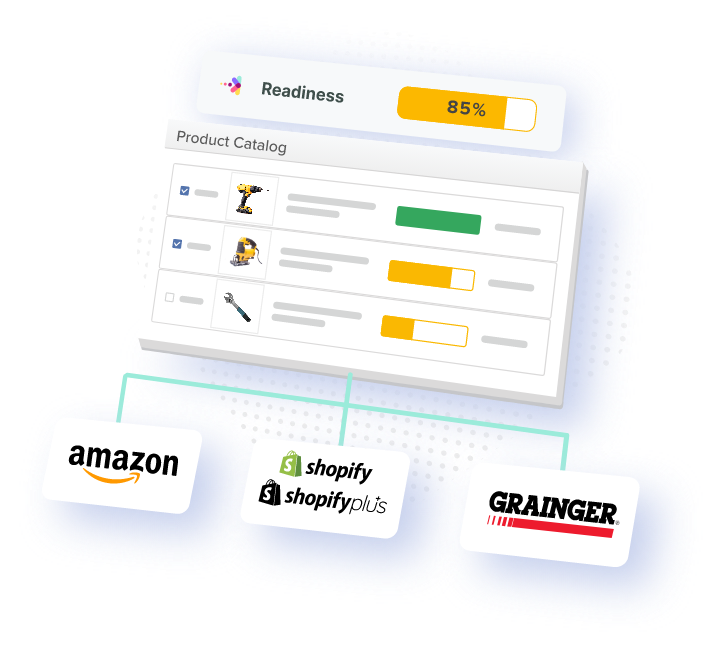
If your catalog runs on Catsy or a similar PIM platform, use automated completeness reporting to find gaps efficiently. Generate reports that surface missing seasonal attributes, outdated content, and incomplete media, then prioritize fixes by product importance and traffic projection. Catsy’s AI-powered PIM and DAM tools can flag attribute gaps and outdated visuals automatically, which is meaningfully faster than a manual spreadsheet pass across a large catalog.
3. Mapping Shipping Lanes: Multi-Channel Prep
Each sales channel operates like a different port of entry, with its own customs requirements, docking procedures, and rhythms. Success requires understanding those differences.
Channel-Specific Optimization Strategies
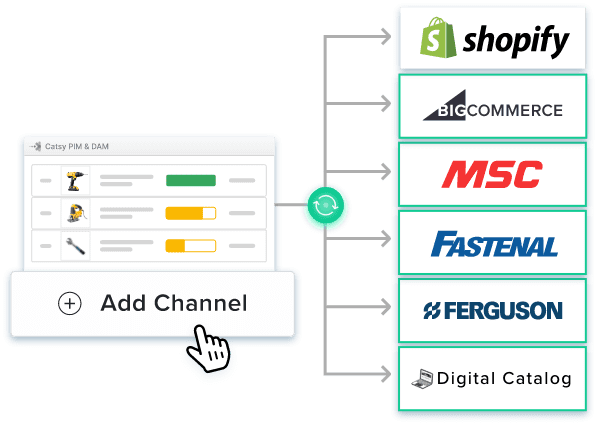
Amazon’s A9 algorithm prioritizes different attributes than Walmart’s search engine. Target’s Enhanced Content requirements differ significantly from Home Depot’s spec needs. Generic product information optimizes for none of them well, while channel-specific customization improves performance across all of them.
Document the requirements of each channel: algorithm preferences, promotional opportunities, formatting rules, and the performance metrics that matter most. The table below is a starting reference. Always confirm current specs directly with each marketplace before locking your catalog, since requirements shift season to season.
Amazon’s Q4 2026 inventory windows are published and worth anchoring your internal deadlines to. For Black Friday and Cyber Monday inventory, shipments must arrive by:
Holiday peak fulfillment fees run October 15, 2026 through January 14, 2027. Missing the earlier AWD or minimal-split dates doesn’t just risk a stockout. It also means your product data, images, and A+ Content need to be final well before those arrival windows, not adjusted afterward. Confirm current cutoffs in Seller Central, since Amazon has moved these dates earlier in recent years.
Template Management and Testing Protocols
Each major channel should have its own template. That keeps brand consistency and information accuracy intact across versions. Your testing protocols should validate technical functionality, but also content presentation and user experience. Test during off-peak hours to minimize sales impact.
Cross-Channel Consistency Management
Tailoring each channel is fine. Your core product facts still have to match everywhere. Shoppers check several channels before they buy, and details that clash cost you the sale.
One central hub for product data is what lets you tailor each channel and stay accurate. Build your channel distribution strategy on a single source of truth. Then you can tailor freely, without someone re-checking every listing by hand.
4. Smooth Sailing With Accurate Inventory Data
In peak season, stock counts have to be right. A wrong number does not just cost you today’s sale. It costs you the customer.
Real-Time Inventory Synchronization
Modern consumers expect real-time inventory information across all channels. A customer who finds your product on Amazon expects the same stock status on your direct-to-consumer store. That consistency requires robust systems integration.
Look for inventory systems that update every platform in minutes, not hours. Set safety stock rules that allow for each channel’s lead time, the delay in processing returns, and sudden demand spikes. You can also hold back some stock for your highest-value channels.

Demand Planning and Buffer Management
Holiday demand differs from regular cycles in both volume and velocity. A product that normally takes a month to turn over can sell out in days.
Analyze historical demand to identify which products see seasonal surges, then build buffer stock strategies that account for:
Lead Time Accuracy and Customer Communication
Accurate lead times matter enormously in peak season. Customers are making time-sensitive decisions, and it’s your job to deliver, literally.
Overpromising delivery dates increases dissatisfaction and returns. Overly conservative estimates discourage the purchase entirely.
Calculate lead times from live inputs. Current stock, supplier track record, shipping capacity, and seasonal demand should all feed in. Then state your dates plainly, and leave room for delays.
Supply Chain Visibility and Risk Management
Peak season is the worst time for supply chain vulnerabilities to surface, and one of the most common. Supplier capacity constraints, shipping delays, and quality control issues escalate quickly under holiday pressure.
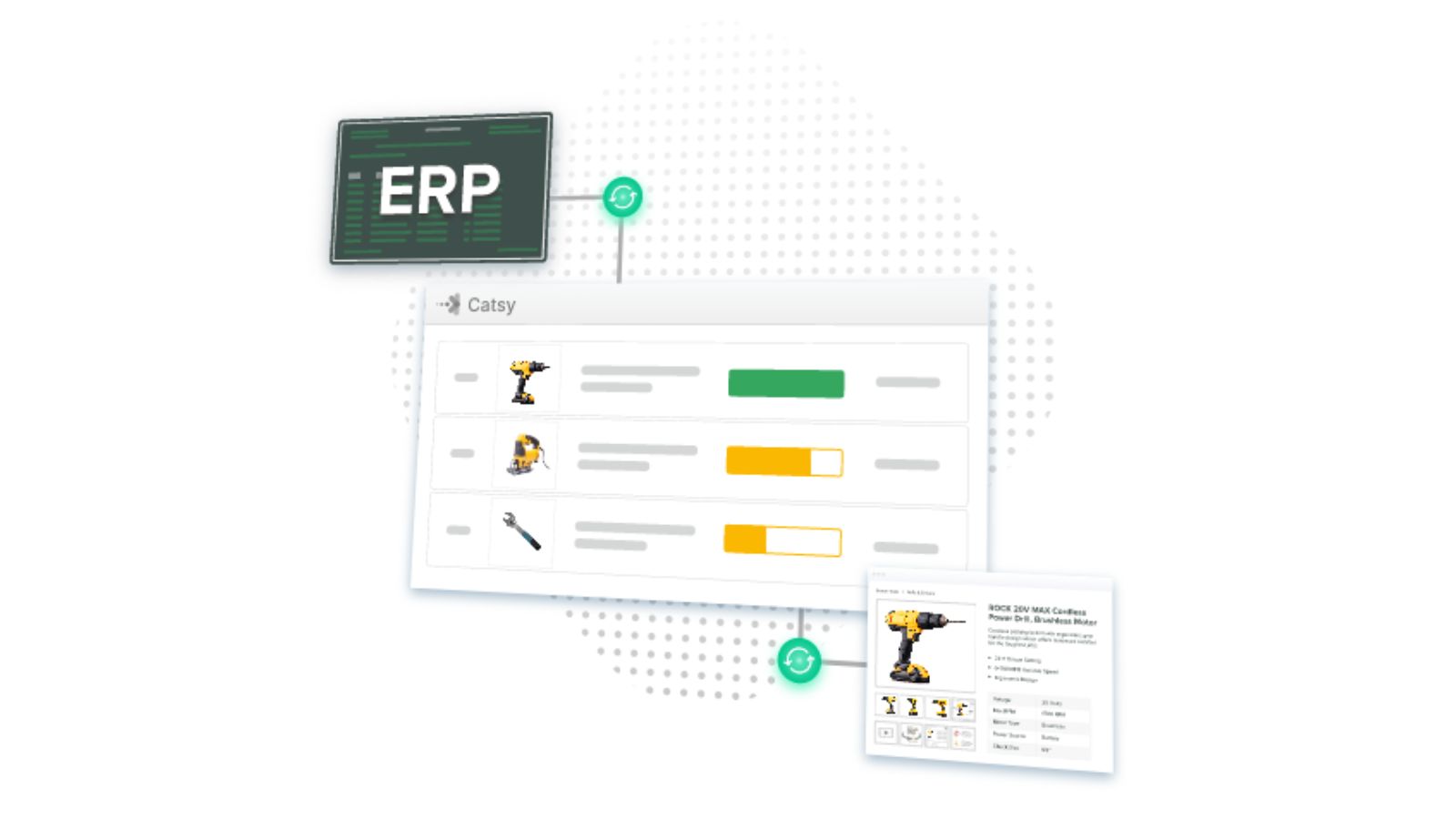
Score your suppliers on delivery, quality, and capacity. Build a plan B around substitute products, backup suppliers, and rush orders. Watch for the early signals that something is slipping. If your PIM connects to your ERP, stock, price, and shipping data flow into product records on their own, which cuts the manual updates that break under holiday volume.
5. Seasonal SEO and Content Adjustments
Customers shop differently during peak season. Understand those shifts and optimize for them, and both organic visibility and conversion improve when it matters most.
Gift-Focused Keyword Integration
Holiday searches shift from product-focused to recipient-focused. Instead of “wireless headphones,” customers search “gifts for teenagers,” “stocking stuffers under $25,” or “tech gifts for dad.” Your product content needs to capture those intent-driven queries.
Run keyword research covering gift-related terms, price point queries, and recipient demographics. Integrate them naturally into titles, descriptions, and metadata.
Urgency and Time-Sensitive Optimization
Holiday shoppers search with deadlines in mind. “Gifts that ship today,” “last-minute gift ideas,” and “Christmas delivery guaranteed” all signal high purchase intent.
Update content to highlight delivery guarantees, fast shipping, and immediate availability. Make sure those claims stay accurate all season, and monitor them consistently.
Seasonal Use Case Expansion
Products gain additional use cases during the holidays. A single-serve coffee maker becomes “perfect for holiday entertaining.” A fitness tracker becomes “ideal for New Year’s resolutions.”
Review each product for seasonal applications and gift potential. Selling fluffy towels? Those are perfect for holiday guests. Expand descriptions to include those contexts while keeping the core product features front and centre.
Enhanced Rich Content Development
Holiday shoppers decide faster, and they decide on pictures and reviews. So your rich content needs seasonal images, gift wrap options, and lifestyle shots that show the product in a holiday setting. Help the shopper picture it as a gift. A product content management setup that files seasonal media beside your core shots makes it easy to swap them in and out without losing the originals.
Review and Rating Optimization
Reviews carry more weight during the holidays, because shoppers have less time to research. Make sure your review profile accurately represents product quality and addresses common concerns.
Ask happy customers to leave reviews. Answer the unhappy ones quickly and well. And push the reviews that mention gifting or holiday use to the top, since those are the ones seasonal shoppers look for.
6. The Pre-Holiday Checklist
Preparing successfully requires systematic execution across multiple departments and schedules. This checklist provides accountability structure and milestone tracking so nothing slips during the critical window. Dates assume a holiday 2026 timeline. Adjust to your fiscal calendar and confirm against current marketplace deadlines, including the Amazon inbound dates in Section 3.
7. Contingency Plans: Avoiding Storms
Even the best preparation can’t eliminate every peak season risk. Successful retailers have a Plan B ready before they need it.
Inventory Crisis Management
A stockout in peak season needs a same-day answer and a clear message to the shopper. Write the steps in advance. Which product do you offer instead, and what do you tell the customer?
Map out substitutes for your key SKUs. Draft the customer emails now, the ones that explain honestly and offer a good alternative. And look at tools that redirect traffic on their own when stock runs out.
Technical System Failure Protocols
Technology fails. Outages, slowdowns, and broken integrations all happen in peak season. Have backup steps that keep you selling while the main system recovers: another way to reach customers, another way to take orders, and a manual override.
Content and Data Emergency Procedures
A product data error found in December has to be fixed the same day. Can you do that in a few hours? Sort content issues into tiers by how much damage they do. Set up a fast approval path for the urgent ones. And add monitoring that catches errors before they cost you sales.
Supplier and Supply Chain Disruptions
A supply hiccup in December turns into a crisis fast. Have a backup plan that keeps products in stock when your main supplier slips. Line up those backup suppliers now, before the season starts. Write your emergency ordering steps and your customer emails now too.
8. Post-Season Analysis and Operational Balance
The holidays are over, so it’s time to relax. Not quite yet.
The review you run now is what shapes next year. Do it while it is all still fresh.
Conclusion: Steady Course for Holiday Success
Holiday success shouldn’t rely on last-minute intervention. Consistent, methodical preparation is what separates the retailers who thrive, and they treat it as a year-round discipline.
Your product data is both map and compass during peak season. Accurate, optimized information gives shoppers what they need to decide, which is why investment in data quality returns throughout the selling season and beyond.
With clean catalog data, mapped channel requirements, tested procedures, and clear contingency plans, your team can navigate the busiest season with confidence rather than anxiety. The goal isn’t survival. It’s sustainable growth that carries well past December.
Key Takeaways
Frequently Asked Questions
When should we start preparing product data for the holidays?
Start your audit in Q3 (July–August), ideally 90 days before peak season. Data cleanup done in October, once traffic is already climbing, is riskier and more expensive than the same work done in late summer.
What’s the biggest product data mistake retailers make during peak season?
Treating required fields as “done” and skipping optional attributes. Gift guides, comparison engines, and AI-generated shopping answers all draw on the richer optional fields, not just the bare minimum a marketplace requires for a listing to go live.
Do Amazon, Walmart, and Target all need the same product content?
No. Each channel weighs different attributes, image formats, and content types, so core product data should stay centralized and consistent while channel-specific templates handle the formatting differences. See the channel comparison table in Section 3 for a starting reference.
How much of holiday 2025 shopping happened on mobile?
56.4% of online transactions, per Adobe Analytics, up from 54.5% in 2024, and as high as 66.5% on Christmas Day. Product titles, images, and specs need to hold up on a small screen.
When does Amazon require holiday inventory to arrive in 2026?
For Black Friday and Cyber Monday readiness: October 14 for AWD, October 21 for FBA with minimal shipment splits, or October 28 for FBA with Amazon-optimized splits. Confirm current dates in Seller Central, since Amazon has moved these deadlines earlier in recent years.
Can a PIM and DAM actually prevent holiday stockouts or listing errors?
Not on their own. Inventory accuracy also depends on your ERP and supplier data. But a connected PIM and DAM removes one common failure point, inconsistent or outdated product content across channels, and when integrated with ERP and inventory systems it helps keep stock, pricing, and shipping details synchronized automatically.
References
Get Your Catalog Peak-Season Ready
Automated completeness scoring, seasonal media management, and channel-specific syndication from one governed source of product truth. Book a demo to see how Catsy handles your holiday catalog.