
Table of Contents
Product Experience Management (PXM) drives customer loyalty by delivering accurate, contextual product information at every digital touchpoint. Unlike plain catalog storage, PXM shapes product data — images, specs, and descriptions — to fit the buyer’s channel, region, and context. That cuts returns caused by inaccurate listings, builds trust, and raises Customer Lifetime Value.
Loyalty is not won by the checkout page. It is won earlier, on the product detail page, where a shopper decides whether to believe you.
When a spec is wrong, a photo is stale, or a title reads differently on Amazon than on your own store, the shopper does not blame the channel. They blame the brand. And the cost of that shows up twice: once in the return, and again in the customer who does not come back.
This guide covers what PXM is, how it differs from PIM and DAM, the specific mechanisms by which it reduces churn, and what to look for when you evaluate a platform.
What Is Product Experience Management (PXM)?
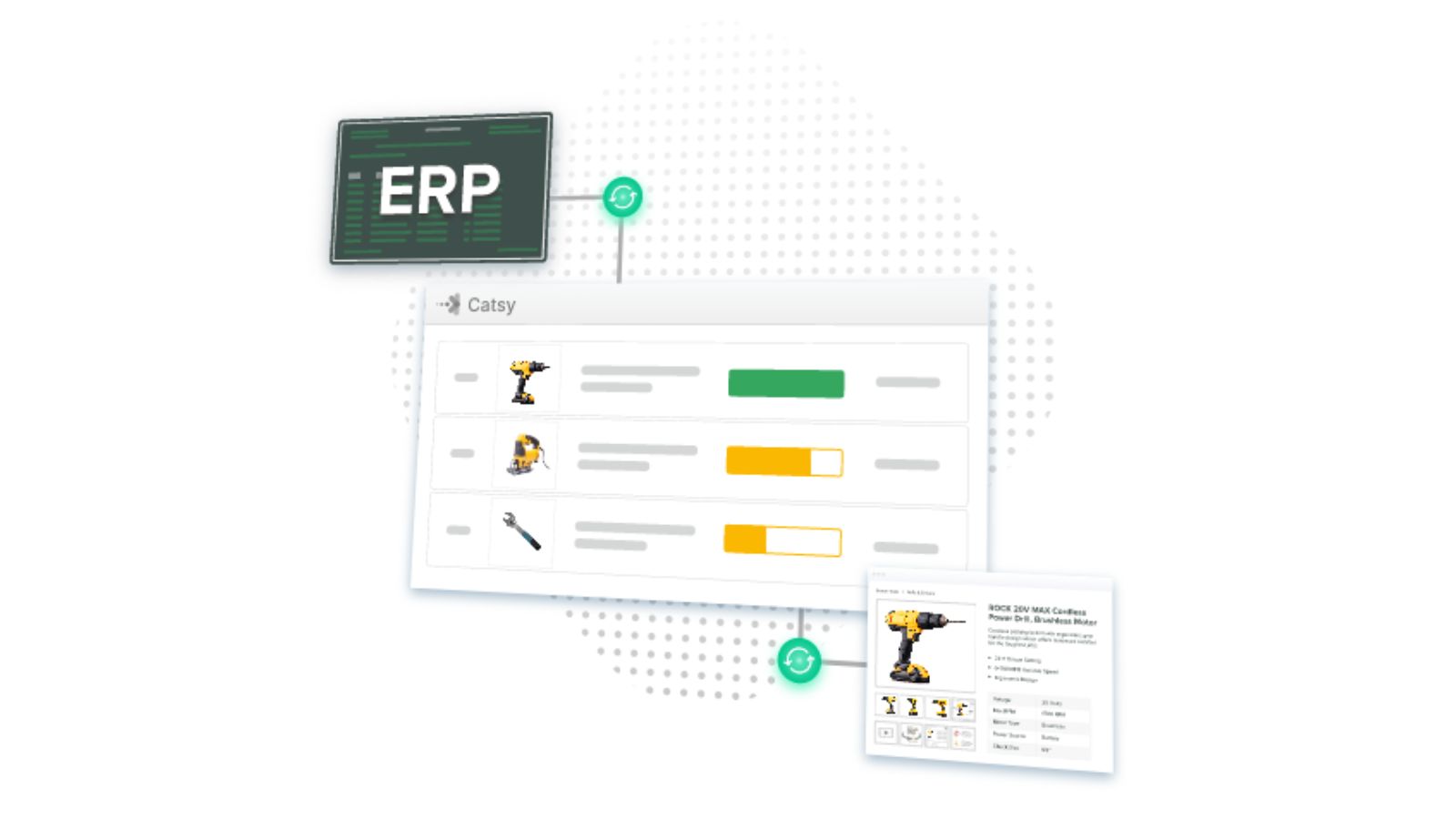
Product Experience Management (PXM) is the practice of shaping product content so it fits the context in which a buyer encounters it. It takes the accurate data a business already holds and decides how that data should look, read, and behave on each specific channel.
PXM builds on a Product Information Management (PIM) foundation. A PIM answers “what is true about this product?” — one governed record per SKU, validated and complete. PXM answers the next question: “how should that truth be presented here, to this buyer?”
Three capabilities sit on top of the PIM layer to make that work:
The short version: PIM makes product data correct. PXM makes it persuasive in the place the customer is standing.
PIM vs. DAM vs. PXM: How They Impact the Customer Experience
These three are often used interchangeably. They are not the same thing, and they fail in different ways. Product Information Management, Digital Asset Management, and Product Experience Management each play a distinct role in the e-commerce stack.
Most brands adopt them in that order. A PIM first, because nothing downstream works on bad data. A DAM next, once the media library outgrows shared drives. PXM last, because it is the layer that assumes the first two are already reliable.
How PXM Directly Drives Customer Loyalty and Reduces Churn
PXM affects loyalty through three specific mechanisms. Each one is measurable, and each one fails in a way customers notice.
1. Minimizing Return Rates Through Accurate Expectations
Those numbers come from Salsify’s 2025 Consumer Research Report, a survey of 1,910 online shoppers across the United States and the United Kingdom, conducted in October 2024 with a margin of error at or below 3%.
A return is not a neutral event. You lose the margin, the shipping both ways, and the handling. But the more expensive loss is the one you cannot see on the invoice: a customer who now expects your listings to be wrong.
PXM addresses this at the source. Validation rules catch missing dimensions before publication. Asset governance keeps the photo matched to the current version of the product. Channel-specific completeness scoring flags the listing that is missing the one attribute buyers in that category actually check.
2. Channel-Agnostic Consistency Across the Digital Shelf
A shopper rarely stays in one place. They see the product on TikTok Shop, check the reviews on Amazon, then land on your own store to buy. If the title, the spec, or the image set changes between those three stops, the inconsistency reads as carelessness — or worse, as a counterfeit listing.
This is not a hypothetical concern in B2B either. McKinsey’s 2026 Global B2B Pulse Survey, covering nearly 4,000 decision-makers across 13 countries, found buyers now use an average of ten channels during a purchase. The leading reason they switch suppliers is now inconsistent information across teams.
PXM solves this by keeping one governed record upstream and applying channel formatting downstream. The marketplace gets its truncated title because a rule truncated it, not because someone retyped it differently.
3. Contextual Personalization and Localization
The same product needs to read differently in different markets. Not a different product — a different presentation of it.
Done well, none of this is visible to the customer. That is the point. The listing simply feels like it was written for them, because in a meaningful sense it was.
What Is the ROI of PXM on Customer Lifetime Value?
PXM raises Customer Lifetime Value along three lines: fewer returns on the first order, more repeat purchases from buyers whose expectations were met, and lower acquisition pressure because retained customers cost less than new ones.
The honest framing matters here. Product content is one input into loyalty, not the only one. Price, delivery speed, service quality, and the product itself all carry weight. What product content uniquely controls is the gap between what a buyer expected and what arrived — and that gap is where returns and lost trust originate.
That is why the returns figure above is the most useful number in this article. It measures the specific failure PXM exists to prevent, rather than borrowing a general loyalty statistic and implying the software caused it.
How Do You Select a Product Experience Management Platform?
Most product experience management software shares a similar feature list. The differences that matter show up in how the platform handles your specific catalog, channels, and team. Use this checklist when you evaluate one.
One practical note: ask for a trial with your own catalog rather than the vendor’s demo data. Product experience management platforms tend to look equivalent on clean sample records. The differences appear when a real catalog with inconsistent legacy attributes arrives.
PXM Best Practices for Strengthening Loyalty
Five practices separate teams whose product content stays reliable from teams who fix it repeatedly.
Frequently Asked Questions
What is PXM and why does it matter for customer loyalty?
Product Experience Management (PXM) shapes product content to fit the channel, region, and context in which a buyer sees it. It matters for loyalty because most trust is won or lost on the product detail page. When specs, images, and descriptions are accurate and consistent everywhere a shopper looks, they buy with confidence and return less often.
How is PXM different from PIM?
PIM governs what is true about a product: one validated record per SKU, with specs, attributes, and relationships. PXM governs how that truth is presented on each channel, applying syndication rules, localization, and completeness scoring. PIM makes product data correct; PXM makes it persuasive in context. PXM requires a working PIM underneath it.
Does PXM reduce returns and customer complaints?
It addresses a documented cause of them. Salsify’s 2025 Consumer Research Report, surveying 1,910 shoppers in the US and UK, found 71% had returned an item because the product description was inaccurate. PXM reduces that category of return by validating completeness before publication and keeping assets matched to the current product version. It does not affect returns caused by damage, delivery problems, or a change of mind.
What role does product data play in the customer journey?
Product data carries the buyer from discovery to post-purchase. It determines whether a product surfaces in search and filters, whether the detail page answers the questions that decide a purchase, and whether what arrives matches what was promised. It is also what support teams and store associates rely on after the sale.
Can PXM help businesses selling across multiple channels?
That is its core use case. Multi-channel selling is where product content diverges fastest, because each marketplace imposes its own formats, character limits, and taxonomy. PXM keeps one governed record upstream and applies channel formatting through rules, so differences between listings are deliberate rather than accidental.
Is PXM only for large e-commerce businesses?
No, though the threshold is about complexity rather than company size. The signal is channel count multiplied by SKU count. A brand with 300 SKUs across six marketplaces has more product content states to maintain than one with 3,000 SKUs on a single storefront, and will feel the need sooner.
Do you need a PIM before adopting PXM?
In practice, yes. PXM assumes there is a reliable, governed product record to contextualize. Applying personalization and syndication rules to inconsistent source data distributes the inconsistency faster and to more places. Most platforms that market themselves as PXM include PIM capability for this reason.
Key Takeaways
References
Turn Better Product Experiences Into Lasting Loyalty
Catsy combines Product Information Management and Digital Asset Management in one platform, so product data and the media that illustrates it stay governed together and publish accurately to every channel. Book a demo to see it run on your own catalog.