Example of PIM Software: Real-World Solutions for Product Data Management
Explore real-world PIM software examples, from enterprise platforms to mid-market and industry-specific solutions, and how each supports accurate, scalable product data management.
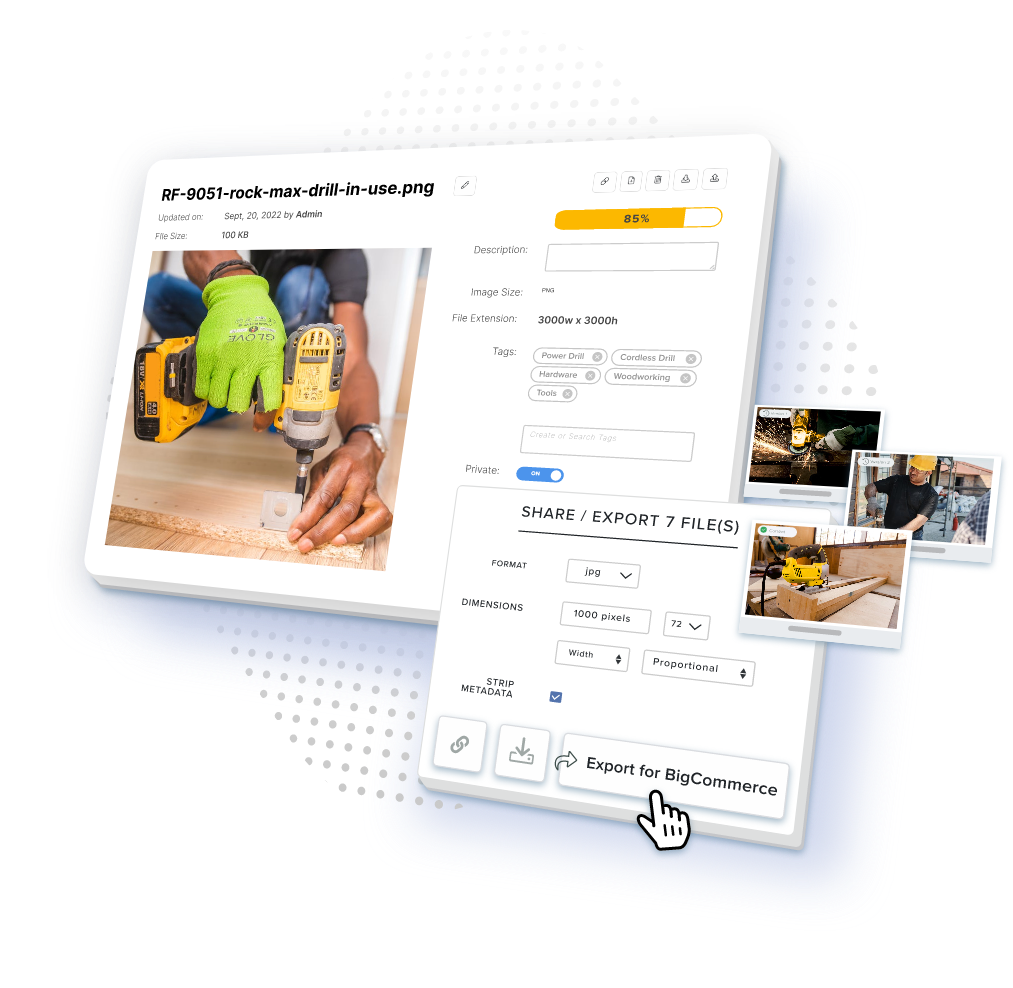
Table of Contents
Key Takeaways — What You’ll Learn:
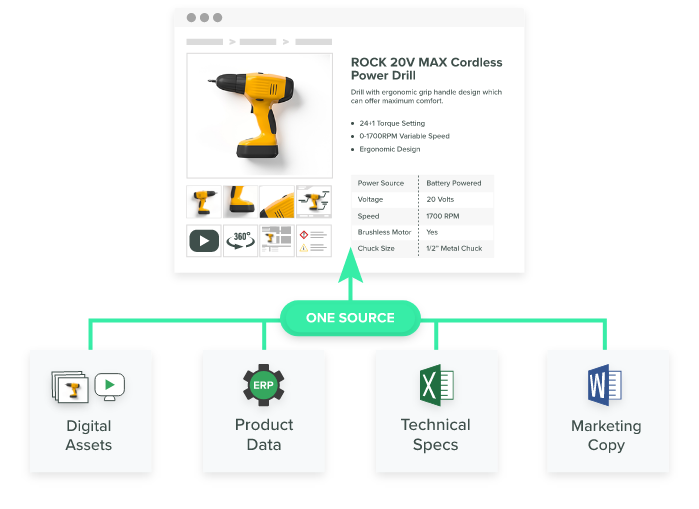
Are you looking for the perfect PIM software to fit your unique business needs? You’re not alone! With poor product information management (don’t deny it – your data is sprawled across spreadsheets and ERPs), businesses of all sizes are turning to Product Information Management systems to create a single source of truth.
But there are over 139 different PIM solutions! How on earth are you supposed to choose the right one?!
Our guide breaks down concrete examples of PIM software across different business sizes and industries. We aim to help you understand which solutions lead the market – and why they may help you lead, too!
Let’s dive in.
1. What is PIM Software and Why Does It Matter?
Why it’s critical now:
If you don’t have a dedicated PIM system, yoru product information is probably living in silos. Marketing may have one version in their CMS while sales is working from separate data. E-commerce teams dominate the spreadsheets!
Fragmentation like this leads to inconsistent product data across each and every channel. It slows time to market, and it creates errors that can be quite spendy. Your PIM will help you to manage all of your content across each channel. By reducing manual data entry, your PIM will ensure consistent product data and minimize errors throughout your sales and marketing ecosystem.
According to Gartner’s research on PIM solutions, the analyst firm saw a 35 percent increase in PIM inquiries between mid-2022 and mid-2023, reflecting the current climate of growing market demand. The investment in PIM technology peaked at $1 billion in 2022, signaling that businesses recognize the strategic value of centralized product data management.
What PIM delivers:
A modern PIM platform goes well beyond basic data storage! They enable workflow automation and multi-channel syndication. Digital asset management is incorporated. Content generation and enrichment are increasingly benefiting from AI capabilities.
PIM systems help manage data effectively and provide access to all the data needed for comprehensive product management. This evolution from simple data repositories to comprehensive Product Experience Management (PXM) platforms represents the current state of the market… make sure you’re on board!
2. Leading Enterprise PIM Examples
These platforms usually include robust version control features that will let your teams manage changes to your product data, to maintain audit trails, and to ensure the integrity of your data.
- Cloud-based PIM and DAM for brands and retailers.
- Focuses on product content syndication, digital shelf analytics, and automation of your teams’ workflows.
- Supports detailed tech specs to enable the centralization of your specs, descriptions, prices, and images.
- Integrates with your legacy systems, including e-commerce platforms, ERPs, and CRMs, and including third party tools to give you enhanced functionality.
- Enables distribution of product data to multiple marketplaces and online sales channels.
- PIM platform for manufacturers, distributors, and retailers.
- Emphasizes omnichannel syndication, catalog publishing, and content completeness scoring.
- Offers integration with ecommerce platforms and supports syndication to multiple marketplaces for efficient product data distribution.
Salsify
Salsify combines PIM with Product Experience Management capabilities, making it a popular choice for business to consumer brands that are selling through major retail channels. The platform emphasizes customer-facing product content and maintains integrations with the leading U.S. retailers, like Amazon and eBay.
- Instant catalog generation matches unique retail partner requirements
- Product enrichment tools support translation into 156 languages
- Plug-and-play integrations with sales platforms and marketplaces are enabled
- Built-in reporting tools will identify data inconsistencies
Best of all, Salsify offers a 30-day free trial. Your teams can evaluate the functionality of the system before you commit. The platform ranks 9.4 out of 10 for support according to G2’s Winter 2025 report.
inRiver PIM
inRiver takes a content-first approach. It includes fantastic workflow and storytelling tools that were designed with enterprise businesses in mind. Comprehensive brand consistency across channels is supported.
- Scalable architecture to handle large enterprise catalogs, even as you grow.
- Channel Insights that provide you with Digital Shelf Analytics, including weekly updates on product visibility and pricing.
- Real-time audit capabilities exist within their Evaluate tool.
- A flexible setup process is tailored to specific business needs.
Informatica MDM – Product 360
Informatica offers an enterprise-grade solution that puts emphasis on data governance and master data management alongside PIM capabilities.
- Configurable user interface with role-based access for improved governance
- Built-in DAM for managing product and media assets
- Channel preview functionality to visualize data across sales channels
- Enterprise integrations with Salesforce, Google Manufacturer, and Hybris
3. Mid-Market PIM Solutions
Akeneo: Akeneo is a leading open source PIM that gives you the flexibility and scalability you need to manage multichannel product data. It supports import of your data from .csv files, among many others, to simplify unification.
Sales Layer / Pimcore: When evaluating Sales Layer, Pimcore, or similar platforms, it’s important to consider which pim tools best align with your business needs and feature requirements.
Akeneo
Akeneo offers both commercial and open source versions, so mid-sized companies will find the software attractive.
| Plan | Details |
|---|---|
| Community Edition | Free and open-source with essential PIM features |
| Growth Package | Starting at $45,000 annually for mid-sized businesses |
| Enterprise plan | Custom pricing for large-scale organizations |
- Automation capabilities exist for bulk updates of product attributes
- Comprehensive digital asset management for images and videos
- Modular platform supporting both community and enterprise deployments
Sales Layer
Sales Layer offers cloud-native architecture that was purposefully designed for quick implementation, particularly appealing to business to business manufacturers that have complex catalogs.
- Fast onboarding with (and because of) a user-friendly interface.
- Strong integration capabilities for manufacturer workflows.
- Built-in DAM functionality for centralized media management.
- Known for balancing robust data modeling with intuitive design.
Pimcore
Pimcore is an open source platform that combines an alphabet soup of capabilities: PIM, MDM, DAM, and CMS, notably. It’s a comprehensive approach for businesses that are managing a diverse catalog.
- The community edition is entirely free, offering unlimited entities, data, and users
- Omnichannel publishing to diverse output channels is available
- Customizable workflow management exists for complete product lifecycle control
- Enterprise and unlimited plans are available for IP protection
4. Industry-Specific PIM Examples
Industry-specific PIM platforms help you manage your complex product catalog data across each of your distribution channels, marketing channels, and multiple sales channels. Your customers will always see consistent, accurate information.
Catsy Manufacturing:
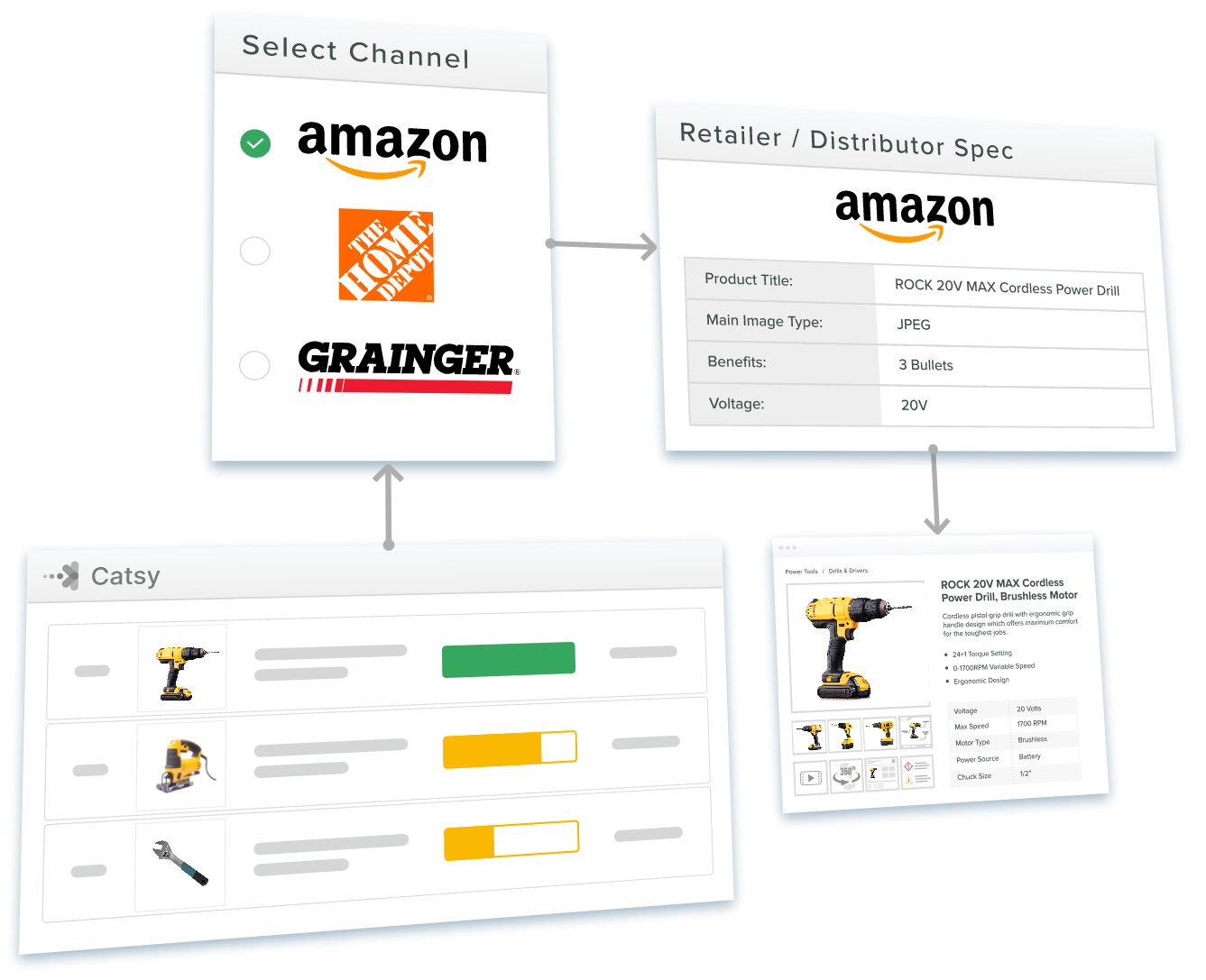
Catsy’s PIM supports manufacturers by centralizing product data, technical specs, and supplier data, all while it streamlines your distribution channel management. This allows for the efficient syndication of your product info to your partners, distributors, and sales teams to support localization and multiple languages.
Shopify E-commerce:
For e-commerce clients, PIM solutions will integrate with Shopify to automate the management of your inventory, to support mobile apps, and to enhance your digital marketing efforts overall. Your product data is accurate and up-to-date across each and every one of your utilized platforms, improving operational efficiency and customer experience.
Multi-Channel E-commerce:
PIM systems enable businesses to syndicate product data across various channels, including multiple marketplaces, new sales channels, and digital signage. This unified approach ensures product information is consistent and ready for omnichannel selling, supporting expansion and seamless integration with marketing tools.
Retail:
Retailers benefit from PIM solutions through brand portals, e catalogs, and robust customer data management. These tools empower the marketing team to deliver high-quality customer experiences and personalized customer experience across all touchpoints. Integration with marketing tools and support for global brands ensures consistent messaging and content distribution.
Many PIM providers offer a free plan for SMBs to get started with essential features, making advanced product information management accessible. Comprehensive support for multiple languages and sales teams further enhances the ability to manage and distribute product data globally.
Manufacturing: Catsy PIM
For industrial manufacturers and distributors, Catsy’s Product Information Management system provides specialized features for complex product hierarchies including multi-level BOMs, technical specifications, and regulatory compliance documentation.

- Management of technical product data and engineering specifications
- Support for complex product relationships and configurations
- Integration with ERP systems commonly used in manufacturing
- Compliance tracking for regulatory requirements
Shopify E-commerce: Catsy
For Shopify merchants who manage growing product catalogs, seamless integration designed specifically for brands scaling their e-commerce operations. Catsy PIM provides seamless integration designed specifically for brands scaling their e-commerce operations.
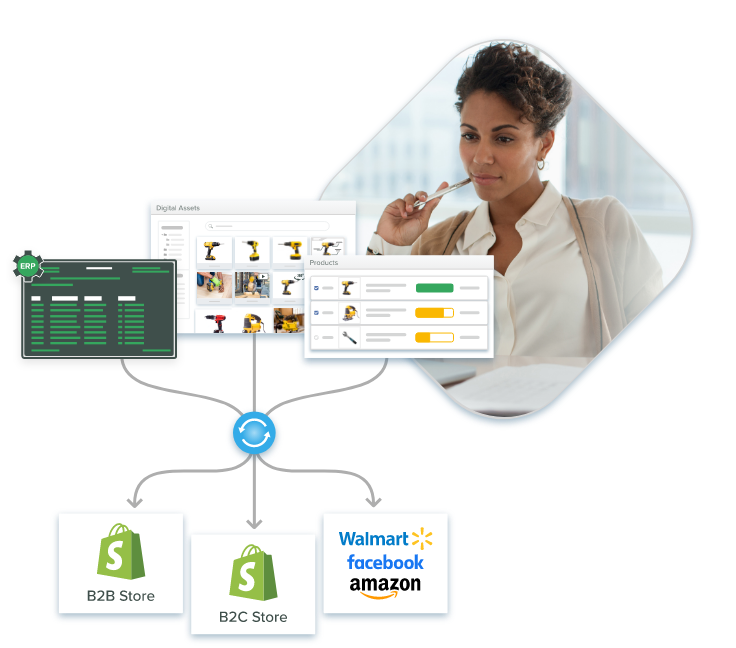
- Direct Shopify integration for real-time product data synchronization
- Combined PIM and DAM eliminates the need for separate systems
- Efficient management of product variants, attributes, and collections
- Streamlined workflow for updating products across Shopify and other channels simultaneously
Ideal for: D2C brands, lifestyle products, beauty brands, and fashion retailers using Shopify as their primary or secondary sales channel who need centralized control over expanding product catalogs.
Multi-Channel E-commerce: Catsy DAM & PIM
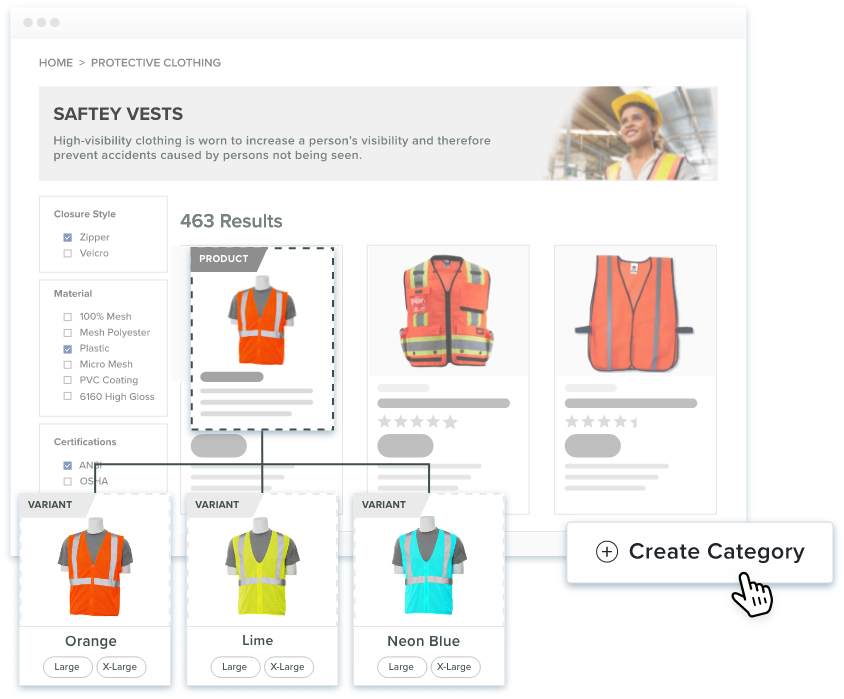
- 360-degree view of product data encompassing all information and digital assets
- Easy syndication to multiple channels from centralized system
- Vendor profile management for marketplace selling
- Native integrations with BigCommerce, Magento, Shopify, and Amazon
Retail: Syndigo
Syndigo combines PIM, DAM, and MDM in a content experience hub designed for consumer brands selling through retail channels.
- Two-sided network enabling content distribution between manufacturers and retailers
- Data syndication capabilities serving 12,000+ manufacturers and 1,750+ retailers globally
- Analytics tools for decision-making across the commerce ecosystem
- Industry specialization across grocery, foodservice, beauty, and apparel sectors
5. How to Choose the Right PIM for Your Business
When evaluating vendors, look for a PIM solution that aligns with your business requirements, offers robust digital asset management, automation, and integration capabilities, and can scale with your multichannel or omnichannel strategy.
Assess Your Pain Points First
Before evaluating vendors, identify what’s breaking in your current process. Are teams spending hours updating product information across channels? Are inconsistent product descriptions costing you sales? Does your current system lack the scalability for planned growth?
Your specific pain points should determine must-have features. Not every business needs every capability.
Consider Integration Requirements
Modern PIM platforms must integrate seamlessly with your existing technology stack. Evaluate how well each solution connects with:
- ERP systems for product data sourcing
- E-commerce platforms for channel syndication
- Marketing automation tools for campaign execution
- DAM systems (or verify built-in DAM capabilities)
Research from industry analysts emphasizes that API-driven, composable architecture is becoming the standard, allowing businesses to build integrated commerce ecosystems rather than relying on monolithic platforms.
Factor in Total Cost of Ownership
PIM pricing varies dramatically based on business size and requirements:
| Tier | Typical Cost |
|---|---|
| Small to mid-sized platforms | $1,000 to $2,500 monthly with implementation costs around 1x annual fees |
| Corporate solutions | $5,000 to $10,000 monthly plus 1.5x annual fees for implementation, typically including multiple bespoke integrations |
| Enterprise systems | $10,000 to $100,000 monthly with implementation costs of 2 to 3x annual fees for digital transformation projects |
Look beyond licensing costs to implementation timelines, training requirements, and ongoing maintenance when calculating ROI.
Evaluate Technical Requirements
Determine whether your team has the technical expertise to support the platform:
- Open-source solutions like Akeneo’s Community Edition offer flexibility but require development resources
- SaaS platforms provide faster deployment with lower technical overhead
- Hybrid approaches offer middle-ground options with managed services
Match Solutions to Business Size
Enterprise solutions like inRiver or Informatica offer comprehensive capabilities but may overwhelm smaller teams with complexity and cost. Conversely, entry-level platforms may lack the governance and scalability enterprises require.
Consider not just your current size, but your growth trajectory over the next 3-5 years.
Key Takeaways
FAQs
What is the best example of PIM software for small businesses?
For small to mid-sized businesses, Catsy PIM offers an accessible solution designed specifically for manufacturers, distributors, and e-commerce brands that need professional-grade capabilities without enterprise complexity. Catsy combines PIM and DAM in a unified platform with faster implementation timelines than enterprise solutions. Other options include Pimcore’s Community Edition (free but requiring technical resources), Plytix, or PIMinto. The choice is yours, and depends on your industry focus, whether you need integrated DAM capabilities, and whether you prefer open-source flexibility or managed SaaS.
How do PIM and MDM differ in practical terms?
While Product Information Management (PIM) focuses on marketing and sales-ready product content, Master Data Management (MDM) emphasizes data governance across multiple domains including customer, supplier, and product data. Many modern platforms blur these lines. For example, Pimcore and Informatica combine PIM and MDM capabilities. Choose based on your primary use case: if you’re primarily enriching product content for commerce, PIM is the priority.
What does PIM software typically cost?
PIM pricing ranges from free (open-source community editions) to $100,000+ monthly for enterprise solutions. Small business platforms typically cost $1,000-$2,500 monthly, mid-market solutions run $2,500-$5,000 monthly, and corporate platforms start around $5,000-$10,000 monthly. Always factor in implementation costs, which typically equal 1x to 3x annual licensing fees depending on complexity.
Can PIM software integrate with my existing e-commerce platform?
Yes, modern PIM solutions prioritize integration capabilities. Most platforms offer native integrations or API connections to major e-commerce platforms including Shopify, BigCommerce, Magento, WooCommerce, and marketplaces like Amazon and eBay. Verify specific integration capabilities during vendor evaluation, as some platforms excel in particular ecosystem connections.
How long does PIM implementation take?
Implementation timelines vary by solution complexity and business requirements. Entry-level SaaS platforms can be operational in 1-3 months, mid-market solutions typically require 3-6 months, and enterprise implementations often take 6-12 months. Solutions like inRiver may require up to nine months for full deployment. Open-source platforms requiring customization may extend these timelines.
What is Product Experience Management (PXM) and how does it relate to PIM?
Product Experience Management builds on traditional PIM by adding capabilities like Digital Shelf Analytics, AI-powered content optimization, and channel-specific content personalization. PXM represents the evolution from simply managing product data to actively optimizing how products are experienced across channels. Platforms like Salsify and inRiver lead in PXM capabilities, while traditional PIMs are adding these features.
Do I need a PIM if I only sell on one channel?
Even single-channel businesses benefit from PIM when managing more than a few dozen SKUs. PIM centralizes product data, eliminates spreadsheet chaos, enables team collaboration, and prepares you for future channel expansion. However, businesses with very simple product catalogs (under 50 SKUs) may find basic e-commerce platform features sufficient until they scale.
Find the PIM Software That Fits Your Business
From enterprise platforms to industry-specific solutions, the right PIM centralizes your product data and keeps every channel consistent. See how Catsy’s connected PIM and DAM platform gives your team one accurate source of product truth.