
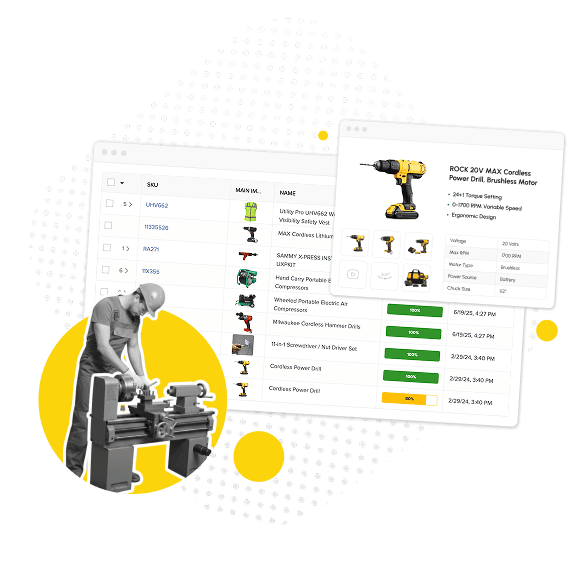
So, what is PXM, really? If you’ve ever been shopping online and felt unsure about a product, you already know why it matters. Maybe the product descriptions were vague, the images didn’t help, or the product details felt incomplete. That kind of experience hurts customer satisfaction, and more often than not it leads to lost sales.
Today, online shopping is fast. Customers do a quick search, compare a few products, then move across several sales channels without thinking twice. They demand that product data display accurately and strongly, and they want a smooth customer experience no matter where they shop. If a brand doesn’t meet their expectations, they’ll move on.
That’s where product experience management (PXM) comes in. PXM helps brands go well beyond basic data management. Rather than just storing information, PXM focuses on how your customers experience your products across the channels where they shop.
What Exactly Is Product Experience Management (PXM)?
Product experience management (PXM) refers to the creation and management of product content, and its ultimate delivery to your channels. The goal is to give your consumer a clean, engaging experience – regardless of which channels they shop. That includes online and in store, or if they’re just comparing options across digital channels.
PXM works in concert with product information management (PIM). PIM software focuses on product data management, data quality, and on keeping your info accurate and organized. PXM takes that foundation and transforms it into something your customers can actually connect with.
PXM includes managing a wide range of product content, such as:
The job of product experience management is to bring your product data and digital assets into alignment with your customer expectations. When everything works together, your customers can feel more confident as they shop. That sense of clarity builds an emotional connection and it strengthens your brand credibility.
Why PXM Is a Non-Negotiable for Modern Commerce
The Evolving Shopper
Customers today shop across many channels. They’ll research online and compare prices across stores, then complete their purchases in the place that’s easiest. They expect the same brand experience across all of your sales channels, whether they’re shopping online or visiting your store.
The High Cost of a Poor Product Experience
Poor data quality creates problems, and fast. When your product data is inconsistent, customers lose trust in your brand. They will hesitate and abandon their cart, or they may even choose the competition instead of you. Inaccurate product content also increases the number of returns, and it damages customer trust. PXM solutions help prevent these issues by keeping product pages aligned and reliable across multiple channels.
Winning on the Digital Shelf
The digital shelf is where products online compete for attention. Customers scroll fast and compare quickly… then they move on even faster than they arrived. An engaging presentation and enhanced content can make the difference between a click and a skip. PXM helps brands stand out by delivering consistent, optimized product pages across relevant channels.
The Tangible Benefits of a PXM Strategy
Create Exceptional and Consistent Customer Experiences
PXM helps ensure customers see the right product details at every customer touchpoint. That consistency reduces confusion and helps customers feel more confident as they move through the buying journey. PXM solutions also support personalized customer experiences. By using customer data and customer feedback, your teams can tailor content to match preferences, location, and behavior.
Drive Revenue Growth and Boost Conversion Rates
When customers trust what they see, they buy from you more frequently. Clear product pages, strong content optimization, and relevant experiences lead to higher conversion rates and fewer abandoned carts. Over time, that will help drive growth across your sales channels.
Build Lasting Brand Loyalty and Customer Trust
Accelerate Your Time to Market
With centralized product data management, your teams have the power to launch products faster. Automated workflows reduce delays and support faster updates, making it easier to respond to changes across sales channels.
Enhance Operational Efficiency and Productivity
PXM systems reduce manual tasks and simplify product management. When teams are working from the same data source, it’s easier to avoid errors and collaborate effectively. That efficiency matters as your catalogs grow and your channels expand.

PIM vs. PXM: Understanding the Critical Difference
PIM: The Foundational Layer
Product information management (PIM) focuses on the storage and organization of your product data. It ensures the quality and accuracy of your consistent data. It’s the single source of truth for your product information.
PXM: The Experience Layer
Product experience management builds on the foundation that PIM sets. While PIM is managing your data behind the scenes, PXM focuses on how your customers actually experience that data. It turns your structured info into helpful, personalized content that resonates with your buyers. Together, PIM and PXM create a complete solution for your product data management.
How a PXM Solution Works in Practice
A PXM solution brings everything together so that your product content can work better for both teams and customers. First, it keeps your product data and your digital assets centralized in one system. Your product descriptions and videos aren’t scattered across folders anymore. This improves your data quality and ensures consistency.
Next, your teams can enrich your product content — making your product descriptions more robust or refining your visuals. Better content means better customers who more fully understand your products, faster. This confidence supports sales.
Finally, PXM distributes your top-notch content across various sales and digital channels. Whether your consumers shop online or research products in a brick and mortar shop, they’ll see the same accurate and engaging info everywhere.
Essential Features of a Modern PXM Platform
A modern PXM platform includes tools that make your product management easier and improve the overall customer experience. At the most basic level, a strong PIM keeps your product data accurate and supports product data management at scale. DAM makes it easy to organize your images and reuse them. Content syndication pushes content to the relevant channels without manual effort. Analytics and data-driven insights show how it performs across the digital shelf. AI and machine learning support content optimization and personalization.
Your Roadmap to Implementing a PXM Strategy
Begin with a review of your current content and your workflows. Look for gaps, outdated information, and places where managing your product data seems more complicated than it should.
Then, define clear goals. These might include a better customer experience or increasing conversions. State clear metrics for measuring success.
Finally, choose advanced PXM systems that fit your business and your sales channels. Be sure to train your teams and roll out your PXM system in stages. As you progress, measure your results and keep improving. Customer expectations change, and your product experience should evolve right along with them.
