
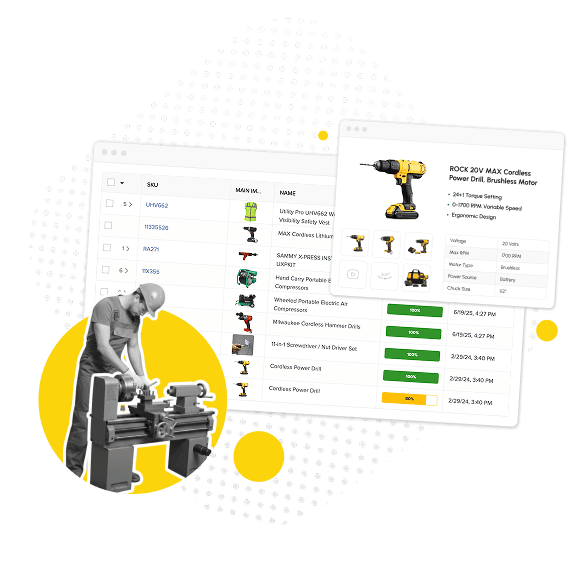
What is "Enriched" Product Content and Why Does It Matter?
Basic product data includes titles, SKUs, and pricing, but enriched content goes further. It provides the emotional connection, context, and detail that customers expect when viewing a product online.
Enriched content typically contains:
Product experience management PXM depends on enriched product content. Without enhanced content, your product pages will look like everyone else's. When content is enriched, it increases customer engagement, reduces uncertainty, and helps shoppers make confident purchasing decisions.
The Role of PXM in Managing and Scaling Product Content
PXM is designed specifically to connect product information management PIM, digital asset management, and customer experience delivery. A product experience management solution centralizes product data, organizes digital assets, and distributes information seamlessly across ecommerce platforms, in store technology, print catalogs, and offline channels.
PXM elevates enriched content by:
Optimizing the Digital Shelf
The digital shelf contains everything a shopper sees online. It lives across marketplaces, direct ecommerce sites, in store digital displays, retail partner listings, and even social commerce environments.
A well optimized digital shelf uses rich media to showcase value, shares enhanced content that answers questions upfront, features compelling descriptions that focus on benefits, improves visibility across search engines, and builds trust by delivering consistent information across channels.
How to Create Product Descriptions That Convert
Visuals capture interest, but product descriptions close the sale. A good product description is more than text. It guides a shopper toward a buying decision through benefit forward language, emotional connection, and persuasive framing.
Best practices to write better product descriptions:
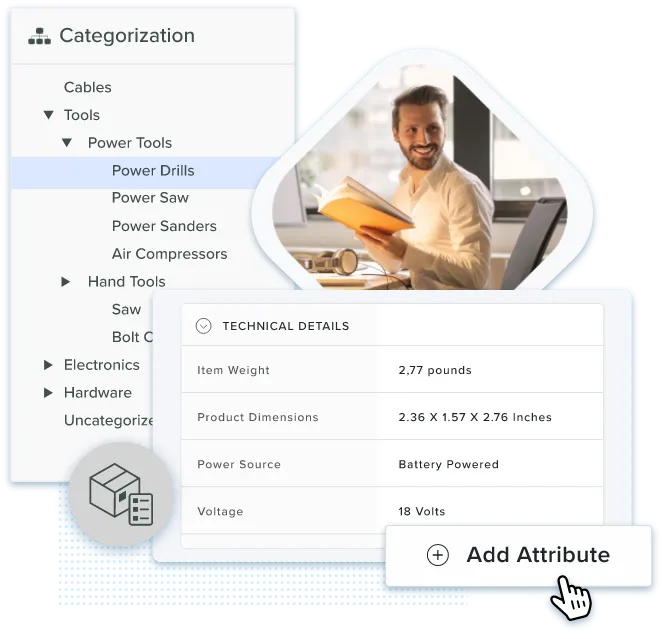
The Power of Visuals: High Quality Images, Product Photography and Video in PXM
Customers cannot touch products online which means imagery must communicate quality, scale, and function. Visual enrichment may include hero imagery that defines brand identity, lifestyle photos that demonstrate context and scale, 360 and 3D imaging for transparent product view, short explainer videos that simplify setup and usability, and customer submitted photos that reflect authentic usage scenarios.
Connecting PIM, DAM, and PXM for Superior Content Consistency
Product Information Management PIM and Digital Asset Management DAM are powerful independently, but are far more effective within a unified PXM ecosystem. When data and media are connected, teams enrich content faster and distribute it more efficiently.
The Benefits of Product Experience Management
The benefits of PXM include stronger customer engagement, improved data management and reduced internal workload, ability to distribute product data across multiple channels at once, higher conversion rates through rich media and consistent product content, fewer returns due to accurate expectations and upfront clarity, and valuable insights drawn from customer behavior and channel performance.
Common Challenges in Product Experience Management
Even with strong product content, brands face hurdles. Maintaining data quality is one of the greatest challenges in PXM. Other challenges include managing product data across ecommerce platforms, coordinating content across teams, keeping listings aligned with evolving customer expectations, and minimizing operational inefficiencies in manual update processes.
The Future of Product Experience Management
The future of PXM is dynamic, intelligent, and highly influenced by technological innovation. Artificial intelligence will elevate personalization, refine product listings, and help businesses optimize content more efficiently. Augmented reality and interactive content will allow customers to view products virtually.
