
Think back to the last time you shopped online. What was it that made you click that buy button? It likely wasn’t just the price – it was the product details, photos, descriptions, and whether everything felt clear and trustworthy. That’s what product experience management is all about!
Global PXM helps brands like yours manage product data and digital assets in a much more organized way. The goal is simple: your customers get a great experience… no matter where they shop! Whether someone’s buying through your e-commerce site or in your brick and mortar location, PXM will make sure that your products display consistent info everywhere.
What Is Product Experience Management (PXM)?
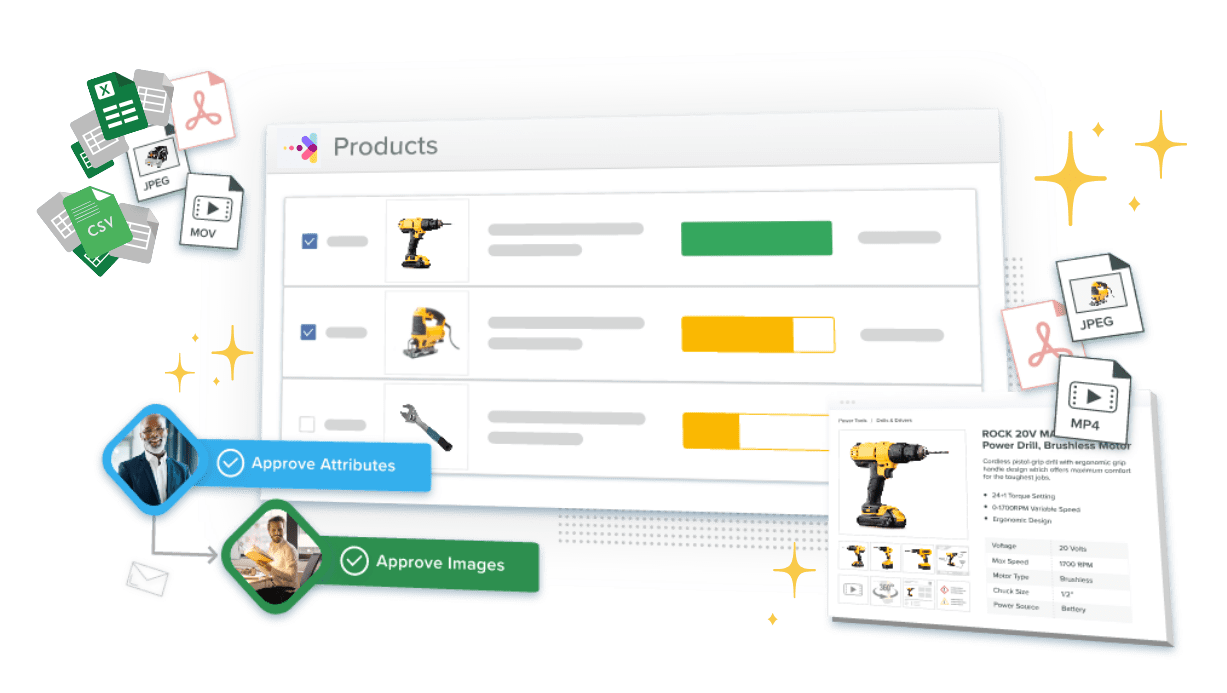
Product experience management is how you create and manage, then subsequently deliver all the information that your customers see when they’re shopping. This includes product details like size and materials, descriptions that tell the product story, digital assets like photos and videos, technical specs and instructions, and customer feedback and reviews.
PXM takes all of this information and makes sure it’s accurate and easy to find across all the digital channels where customers shop. Most importantly, it ensures that your content is interesting.
How PXM Differs from PIM
PIM focuses on managing the basic facts about your products (the data). It’s like a giant filing cabinet that keeps all of your product information organized in one place. PIM acts as your single source of truth for all of your product data.
PXM focuses on the customer experience. It takes the accurate data from your PIM and transforms it into compelling product experiences that actually convert your customers. Think of it this way: PIM gives you the ingredients, and PXM creates the recipe that customers actually want.
The Building Blocks of Great Product Experience
Data Quality: The Foundation of Everything
If your data isn’t accurate, nothing else matters. Data quality is the most critical part of any PXM system. When your product data is wrong, or if it’s incomplete, customers will lose trust in your brand. It will lead to more returns and complaints as well as missed sales opportunities.
The Single Source of Truth
One of the biggest challenges businesses face is maintaining consistent product information across each of their channels. When prices or specs differ between a website, a mobile app, and a marketplace, it creates confusion and undermines customer confidence. That’s why a single source of truth is essential. All of your product data lives in one central location, so updates are made just once and automatically propagated across each digital touchpoint.
Managing Digital Assets
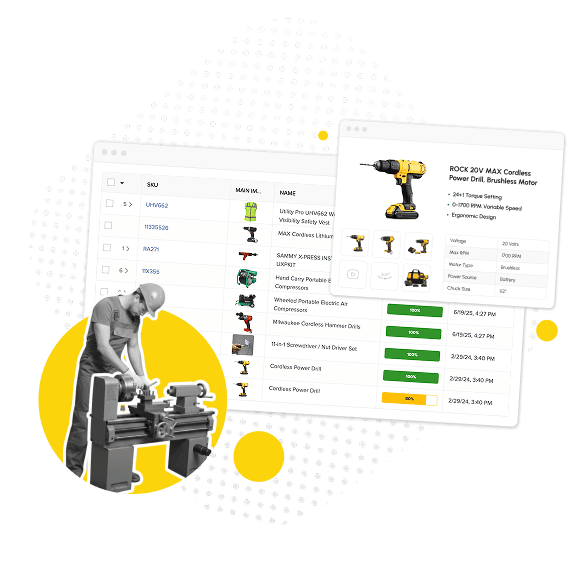
Products aren’t just data; they’re visual, too. Digital assets include all of the images, videos, 3D models, PDFs, and other media that help customers understand your products. Rich media assets are especially powerful: high-quality product photos from different angles, videos showing products being used, 360-degree views, infographics explaining features, and instruction manuals and guides.
Why Global PXM Is Essential for Modern Businesses
Selling in one country is complicated. Selling in multiple countries? That’s way harder! Different markets mean dealing with multiple languages and translations, different measurement systems, cultural differences, different legal requirements, and multiple currencies.
How PXM Ensures Consistency Globally
One source, many versions. You start with your master product catalog in one central system. Then you create versions for each market, all based on that same foundation. Smart translation tools help manage professional translations — not just Google Translate. Automated workflows push product information to all your channels in all your markets when you launch or update. Quality control is built in, making it easier to review and approve content before it goes live.
PXM and Customer Experience
Customer experience drives everything in modern commerce. Great product experiences lead to higher satisfaction and stronger loyalty. When customers find clear information and quality visuals wherever they shop, they feel confident in their choices.
Technology Behind Global PXM
Modern PXM systems rely on several key technologies. A solid Product Information Management (PIM) system forms the core. Digital Asset Management (DAM) handles visual content. Integration tools like APIs keep everything connected. AI and automation tools help scale operations efficiently.
Creating Compelling Product Experiences That Convert
The best product experiences begin with understanding what your customers really need. Customer feedback is important — pay close attention to the questions customers repeatedly ask, to reviews that mention unclear info, and to return reasons connected to unmet expectations.
The Digital Shelf Matters
When people shop online, certain things may catch their attention. High quality images help them visualize the product in their own home. A compelling story will explain the benefits, not just the features. Detailed specs are critical for customers who want to dig deeper. Trust signals like reviews and ratings confirm they’re making the right choice.
How PXM Systems Work in Practice
PXM isn’t a one-time task or a single tool. It’s an ongoing process that guides your product information from the moment it’s created to the moment a customer clicks “buy.”
Measuring Success: How to Know If Your PXM Is Working
Teams often look to conversion rates first. When product experiences get better, browsers become buyers! Customer feedback shows what’s working and what’s not. Time to market reveals how fast your teams can launch new products or update existing ones. Consistency in product descriptions, prices, and specs across channels is a key signal. Engagement metrics like time spent on product pages show whether your content is doing its job.
Advanced PXM Strategies for Competitive Advantage
Modern PXM systems can deliver personalized product experiences based on who’s shopping and where they are. Omnichannel experiences mean customers get the same great experience whether they shop online, in an app, or in a physical store. Smart businesses use data to understand what product content works best, then optimize based on actual performance.
The Future of Product Experience Management
Artificial intelligence is making PXM smarter — helping write product descriptions, tag digital assets automatically, and predict what content will work best. Augmented reality lets customers see products in their space before buying. Voice shopping is growing, and product information needs to work for voice assistants too.
