In today’s e-commerce market, customer experience is tied closely to how well a business manages and presents its information. Customers want clear product details, high quality images, and an experience that leaves an impression… no matter which channel they shop! A strong PXM tech stack will help e-commerce brands like yours meet those expectations effortlessly.
Product Experience Management (PXM) brings your product data and your digital assets together with your marketing content to one central hub. Rather than relying on disconnected, siloed systems, you can use the right tech stack to deliver engaging experiences that convert.
Introduction: Why the PXM Tech Stack Matters
Customer expectations continue to rise, and e-commerce is becoming more competitive. Your customers interact with you through your product pages, digital shelf listings, your print catalogs, and multiple channels online. They expect the same, accurate product info no matter where they shop.
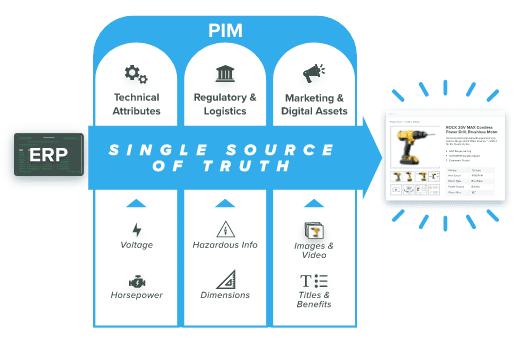
Without a modern tech stack, you may struggle with your data consistency, and the slow processes that accompany it. A well-built PXM tech stack will give you a single source of truth to improve your efficiency… and to deliver the right content to the right audience and the right time. This gives you a competitive edge.
Introduction to Product Experience Management
Product Experience Management focuses on how customers experience your products across every channel and touchpoint. Instead of only managing product data behind the scenes, PXM takes that data and turns it into engaging customer facing experiences. It helps brands deliver product content that feels as clear and helpful as it is consistent.
PXM is your centralized hub where your product data, customer data, and digital assets come to life. Your teams will find it easier to work from the same source of truth, meaning that your product updates can happen that much faster… and with fewer errors.
PIM, DAM, and Beyond: Building a Strong Foundation
A strong PXM tech stack starts with a solid foundation. Two of the most important tools are product information management PIM and digital asset management DAM. Together, these systems help businesses manage product data and visual content in one connected environment.
Many companies still rely on legacy systems that weren’t built for modern ecommerce. These older tools make it harder to scale, personalize experiences, or keep product info consistent across channels. Modern PXM solutions are designed to replace those gaps with more flexible and connected systems.
Product Information Management (PIM)
A PIM solution centralizes product data like product details, SKUs, attributes, and pricing into a single source. This central source becomes the foundation for every product page, catalog, and channel specific product experience. Product managers rely on PIM to manage large product catalogs more efficiently.
By using product information management, businesses reduce manual updates and improve data accuracy. Product updates can be shared across ecommerce platforms, stores, and marketing channels at the same time. This helps brands meet customer expectations while supporting faster go to market timelines.
Digital Asset Management (DAM)
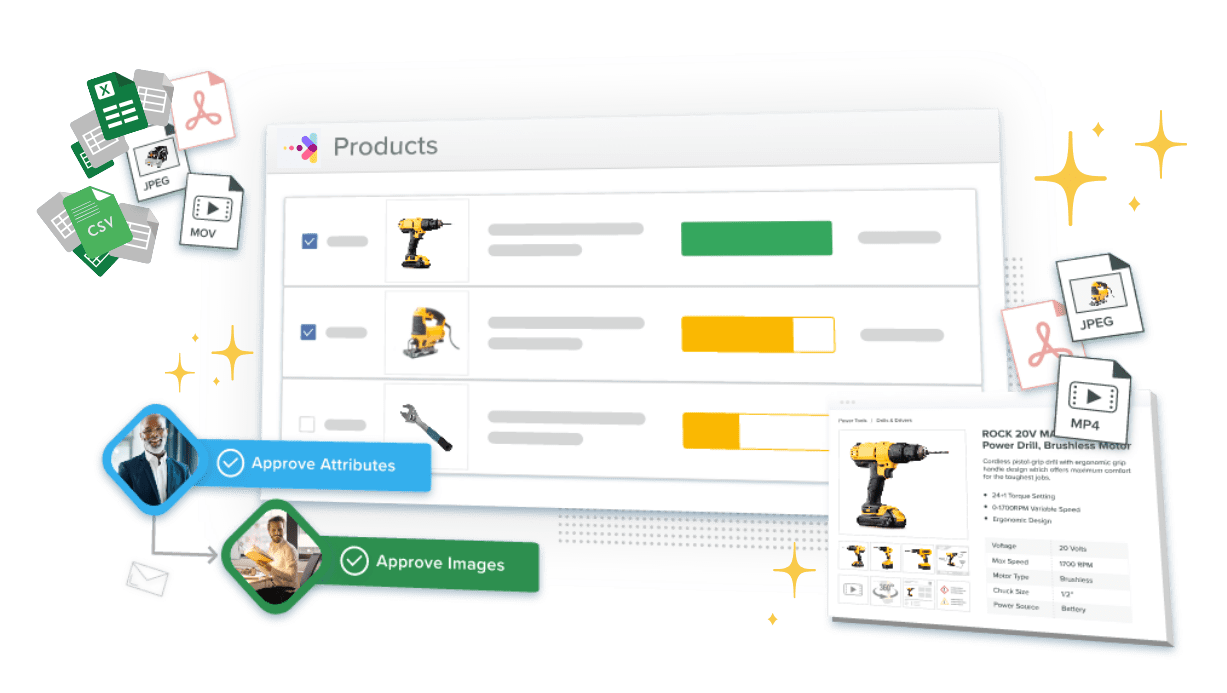
Digital asset management (DAM) puts focus on the organization and the delivery of your visual content. High quality images play a huge role in how your customers perceive your products, and that’s especially true online where they can’t touch or feel the deliverable. DAM helps to make sure that each channel uses the right, approved assets.
When your DAM is connected to a PIM solution, your data and visuals stay aligned. That creates consistency across your print catalogs and digital stores. Together, PIM and DAM give you the backbone of PXM.
Customer Data and Personalized Experiences
Customer data plays an important role in modern PXM strategies. You can personalize experiences across different channels when you better understand how your customers are using your websites and apps, and even your print catalogs. Personalization helps your customers feel understood and valued.
A PXM system will take your customer data and use personalization tools to tailor your product content and recommendations. The result? Higher engagement and stronger brand loyalty!
How to Choose the Right PXM Platform
Choosing the right technology is critical to your long term success! The right PXM will connect easily to your legacy systems like your marketing tools, and it should be able to grow right alongside your company.
A strong PXM platform will support smooth integration and reduce manual work due to robust automation. When your platform works well across the whole organization, you can operate more efficiently while still delivering a fantastic customer experience.
Integrating Your PXM Tech Stack
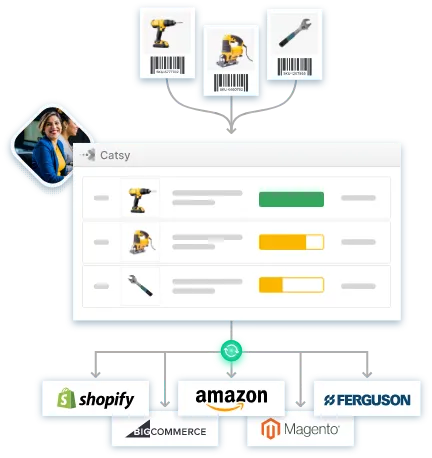
Integration converts your disconnected tools into a true PXM ecosystem. When your systems are connected, product data can flow smoothly between platforms without creating extra manual work for your teams. This also reduces errors!
A well-integrated tech stack allows businesses to deliver the right content across e-commerce sites and physical stores. It also ensures that product updates happen quickly and accurately, supporting better customer experiences.
Optimizing the Digital Shelf
The digital shelf is where customers make buying decisions. It includes product pages, images, descriptions, and reviews. PXM makes it easier to keep this content accurate and engaging.
With strong product content and data consistency, brands can deliver tailored experiences that increase conversions. Optimizing the digital shelf helps ecommerce brands stand out and meet customer expectations at every stage of the journey.
Emerging Technologies in PXM
Artificial intelligence is helping companies personalize experiences and improve product content faster. AI tools can suggest product updates, detect errors, and support smarter decisions. Automation also plays a key role by reducing manual updates and speeding up processes. Together, these technologies help companies deliver better experiences with fewer resources.
Data Governance and Source of Truth
A strong PXM tech stack depends on good data practices. Data governance ensures that product data stays accurate, secure, and consistent across systems. This protects the source of truth that teams rely on every day.
When data is managed well, businesses can move faster and deliver more reliable experiences. This builds trust with customers and supports long term brand loyalty.
Future-Proofing Your PXM Strategy
The ecommerce market continues to change, and technology must change with it. A future ready PXM strategy focuses on flexibility, integration, and personalization. Companies that invest in modern PXM solutions are better prepared to adapt to new channels and customer expectations.
By building a strong PXM tech stack today, businesses create a foundation that supports growth, innovation, and long term success.