
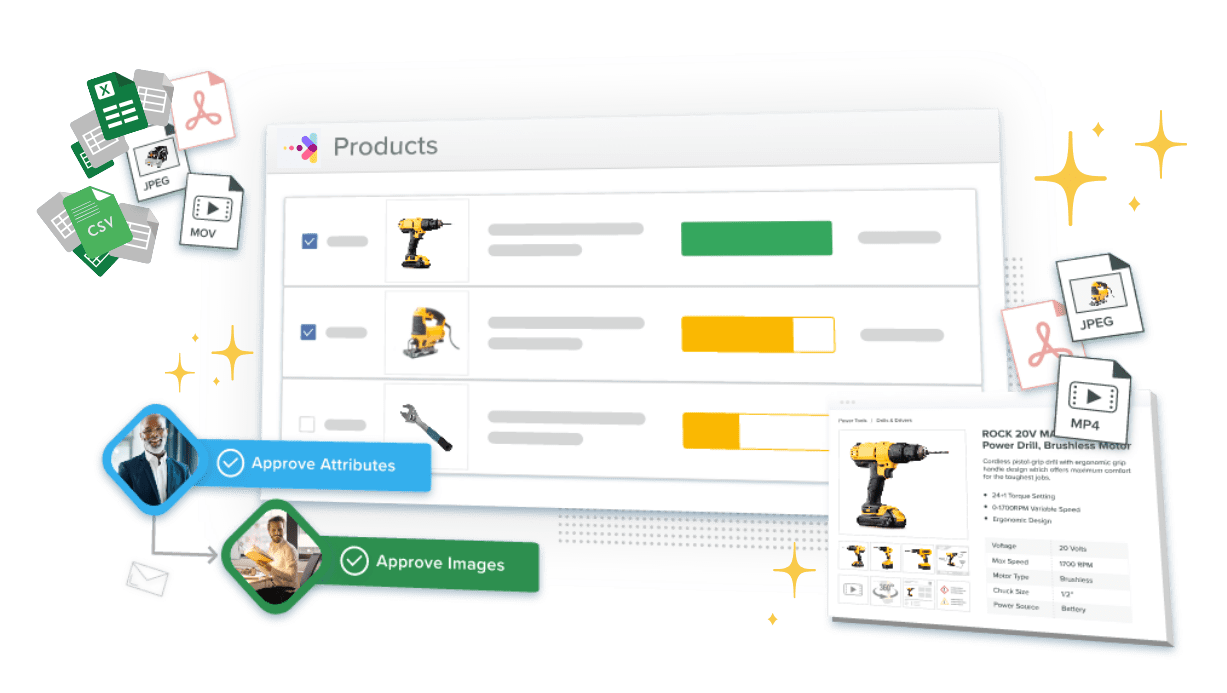
If you manufacture, distribute, or sell physical products, compliance isn't optional. ISO standards for manufacturing define how quality is built, documented, and proven to the global marketplace. Over 1 million companies worldwide hold ISO 9001 certification, and manufacturing accounts for a meaningful share of that — these standards aren't just best practice anymore. They're a baseline expectation for doing business.
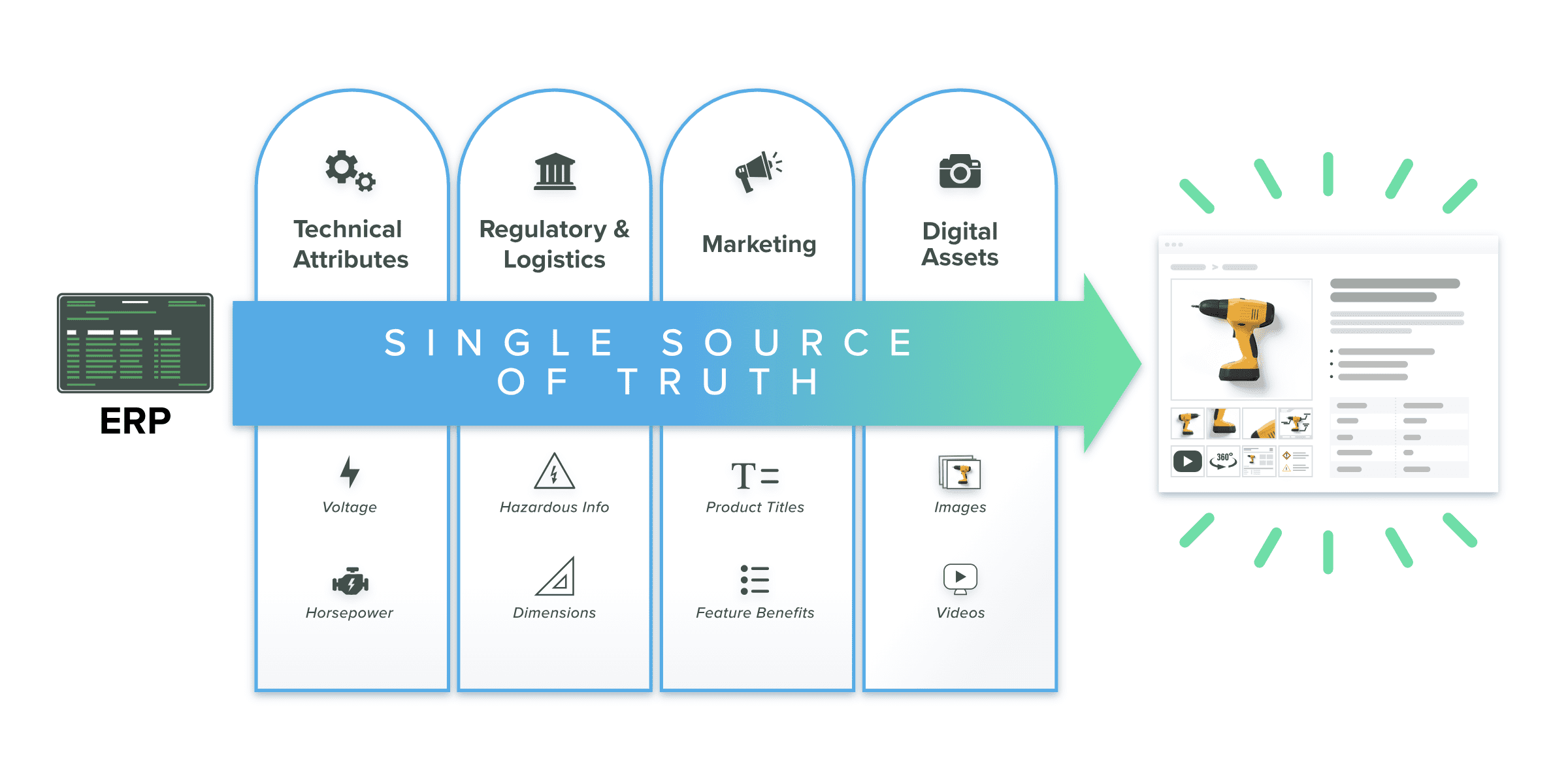
But here's what most compliance guides miss: ISO standards aren't just about your production floor processes. They require controlled, accurate, traceable product data. For manufacturers managing thousands of SKUs across distributors, digital showrooms, and e-commerce channels, that's where things actually break down.
1. What Are ISO Standards for Manufacturing?
For manufacturers, ISO standards establish documented frameworks for quality assurance, safety protocols, environmental management, and data integrity. Certification signals to customers, distributors, and regulators that your products and processes meet globally recognized standards — a real, not just symbolic, advantage in global markets.
Why It Matters Right Now
Key Manufacturing-Relevant ISO Standards
| Standard | Focus Area | Who Needs It |
|---|---|---|
| ISO 9001:2015 | Quality Management Systems | All manufacturers |
| ISO 13485:2016 | Medical Device QMS | Medical device manufacturers |
| ISO 14001:2015 | Environmental Management Systems | Sustainability-focused operations |
| ISO 45001:2018 | Safety Management Systems | All facilities with physical risk |
| ISO 50001 | Energy Management Systems | Manufacturers with sustainability mandates |
| ISO 22000 | Food Safety Management | Food production and packaging manufacturers |
| ISO 27001 | Information Security Management | Smart factories, IoT-connected operations |
| ISO 8000 | Master Data & Data Quality | Manufacturers managing complex product data |
2. ISO 9001: The Universal Quality Management Foundation
Core Principles
Leadership buy-in is the make-or-break variable here. Without it, promoting a quality culture and funding employee training stalls before it starts. ISO 9001 implementation is a strategic journey, not a checkbox exercise. Run a gap analysis first — it gives you an honest picture of what's missing before you commit real resources to fixing it.
The Compliance Requirement Most Manufacturers Underestimate
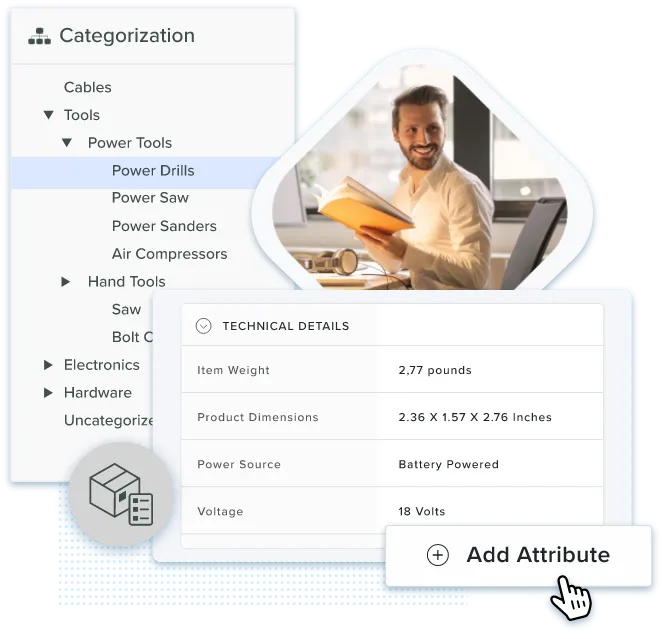
ISO 9001 requires controlled documentation — not just process manuals, but product specifications, calibration records, training logs, and supplier data. For manufacturers with hundreds or thousands of SKUs, this is a product data problem that compounds fast. Every SKU missing complete, current, version-controlled specifications is a potential audit finding waiting to happen.
ISO 9001 certification is increasingly a prerequisite for global market access, and the standardized processes it requires tend to show up in fewer errors and stronger customer trust over time. Certification also enhances reputation and credibility, helping manufacturers win new customers and surface further operational cost reductions along the way.
3. ISO 13485 and Other Industry-Specific Standards
Critical Distinctions: ISO 9001 vs ISO 13485
Other Standards Manufacturing Companies Should Know
Part of the broader ISO 14000 series, ISO 14001 helps manufacturers minimize their environmental footprint, manage waste, and comply with environmental regulations. Adoption has climbed steadily according to ISO's own annual certification survey. For manufacturing facilities under increasing regulatory and customer scrutiny, environmental compliance is both a requirement and a competitive differentiator.
ISO 45001 emphasizes identifying potential hazards, assessing risks, and implementing controls for a safer workplace. Certified organizations tend to see measurably fewer workplace incidents. For manufacturing businesses, that translates to fewer disruptions, lower liability, and better operational continuity.
Increasingly important for manufacturers facing rising energy costs and sustainability mandates, ISO 50001 works alongside ISO 14001 to reduce energy waste and improve efficiency — hitting environmental targets and the bottom line at the same time.
ISO 22000 ensures food safety throughout the supply chain — essential for any manufacturer in food production or packaging. Non-compliance can trigger costly product recalls and lasting reputational damage.
Increasingly vital for Smart Factories, ISO 27001 protects sensitive production data and intellectual property as manufacturing processes become more connected. As industrial IoT adoption grows, information security management stops being optional the moment proprietary data lives in platforms like PIM and DAM.
Provides guidelines for material certification and test reports, verifying the material composition of products to ensure they meet specified criteria. Critical for manufacturers supplying components where material traceability is a contractual or regulatory requirement.
Directly governs how manufacturers exchange product data across supply chains. For manufacturing companies operating globally, ISO 8000 ensures product data meets internationally recognized guidelines for accuracy and interoperability — the standard most directly relevant to PIM governance.
The Automotive and Aerospace Spotlight
In the automotive industry, quality control and safety standards operate at extreme scale. IATF 16949, built on ISO 9001, governs the entire automotive supply chain with added emphasis on defect prevention and waste reduction. In aerospace and defense, AS9100 adds rigorous risk and configuration management requirements on top of ISO 9001's foundation. Both illustrate why consistency in ISO standards across supplier networks is structural, not optional.
4. The Hidden Compliance Gap: Product Data
The Real-World Impact
When product quality documentation is scattered or outdated, the downstream effect isn't just an audit finding — it's eroded customer confidence. Non-compliance with manufacturing standards can lead to real financial losses or product recalls, both of which undo exactly the credibility ISO certification was supposed to build.
Why This Matters for ISO Audits
ISO 9001 and ISO 13485 both require auditors to verify that product data — specs, certifications, revision histories — is accurate, current, and accessible. Regular internal audits help catch non-conformities before third-party certification audits, but only if the underlying data is clean and centralized to begin with. When it isn't, manufacturers face corrective actions and, in regulated industries, potential loss of market access.
The ISO 8000 Dimension
For manufacturers syndicating to distributors and digital showrooms, ISO 8000 establishes the international standard for master data quality. It defines requirements for data portability, semantic accuracy, and supply chain interoperability — exactly the things that fall apart when product data isn't centrally managed, or is scattered across spreadsheets and disconnected systems.
5. How PIM Software Closes the ISO Compliance Loop
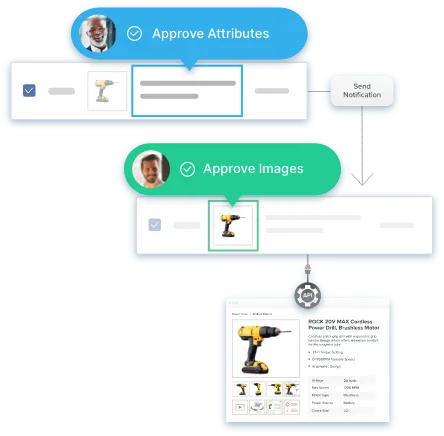
Manufacturers managing complex product catalogs need more than a QMS or ERP. They need a system that governs product data from creation through syndication — which is exactly what a best PIM for manufacturers is built to do.
How PIM Directly Supports ISO Compliance Requirements
Manufacturers using PIM as their compliance backbone cut audit prep time, eliminate the data discrepancies between channels, and meet the documentation expectations of ISO 9001, ISO 13485, and ISO 8000 — not as three separate initiatives to manage, but as a natural side effect of how they already handle product data every day.

Key Takeaways

Frequently Asked Questions
ISO 9001:2015 is the most universally applicable, governing Quality Management Systems across every industry. Beyond that, the most relevant depend on what you make: ISO 13485 for medical devices, ISO 14001 for environmental management, ISO 45001 for safety, ISO 22000 for food safety, ISO 27001 for information security, and ISO 8000 for master data quality. Which combination you actually need comes down to your industry, target markets, and specific regulatory obligations — there's no universal checklist.
Technically no — it's voluntary, and not a legal requirement in most jurisdictions. In practice, it's functionally mandatory for a lot of manufacturers, because the OEMs, distributors, and multinational buyers they sell to require it as a condition of doing business. It's also frequently a prerequisite for government contracts and international market access. The voluntary-versus-required distinction matters a lot less than the commercial reality on the ground.
ISO 9001 is a general-purpose quality management standard that applies across industries. ISO 13485 is medical-device-specific, with stricter requirements for documentation, design controls, risk management, and regulatory traceability. Holding ISO 9001 does not mean you're compliant with ISO 13485 — medical device manufacturers selling in the EU and Canada need ISO 13485 certification on its own merits, and the FDA has folded it into its Quality Management System Regulation as well.
Plan on 6 to 12 months from the initial gap analysis to the certification audit. That covers gap assessment, documentation work, employee training, internal audits, and the formal third-party audit from an accredited certification body. It's worth knowing going in that the gap analysis almost always turns up more documentation gaps than teams expect — and certification isn't a one-time finish line, since surveillance audits keep running afterward to maintain it.
Documented information covering your QMS scope, quality policy, quality objectives, process documentation, and performance records. For manufacturers specifically, that means product specifications, calibration records, training logs, supplier evaluations, nonconformance records, and corrective action documentation. A centralized PIM makes this dramatically easier to maintain and retrieve at audit time — especially once you're past a few hundred SKUs and spreadsheets stop being a realistic option.
ISO 8000 is the international standard for master data quality and data portability — how product attributes, specs, and identifiers are structured, exchanged, and validated across supply chains. For manufacturers distributing through wholesale, distribution, or digital channels, ISO 8000 compliance is what ensures the product data you hand to partners actually meets internationally recognized accuracy and interoperability standards. It's the one most directly addressed by PIM governance.
By giving you a centralized, version-controlled repository for all product data — specs, compliance documents, digital assets, channel content — in one place. That directly addresses ISO 9001's documentation control requirements, ISO 13485's device history record requirements, and ISO 8000's master data quality standards. PIM also handles controlled syndication of that compliant data out to distributors and digital channels, so accuracy holds up at every downstream touchpoint instead of degrading the further it travels from the source.
Where to Next?
ISO compliance is built on accurate, traceable, governed product data. Manufacturers who treat their product data as the compliance asset it actually is — rather than an operational afterthought — are the ones who pass audits without scrambling, keep market access without disruption, and carry that same accuracy all the way out to the distributors and channels where buyers actually make decisions. The guides below cover the data infrastructure decisions that matter most for long-term compliance.
Build Your ISO-Compliant Product Data Foundation with Catsy
Catsy's PIM + DAM platform gives manufacturers the centralized, version-controlled, audit-ready product data governance that ISO 9001, ISO 13485, and ISO 8000 require — with automated syndication that keeps compliant data flowing accurately to every distributor and channel.
Book a Demo