
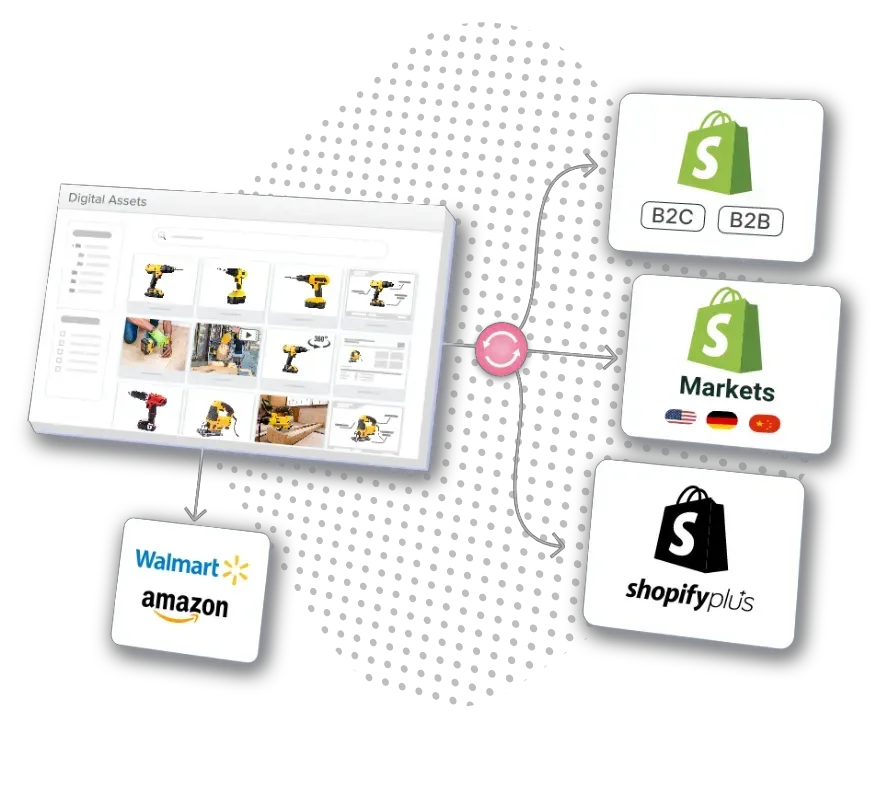
When you’re running online stores in different countries, each with its own language, currency, and measurement rules, choosing between Wix vs Shopify isn’t just about features. It’s about whether the platform can grow with you without causing problems behind the scenes. Many store owners only realize this after launching a few stores and finding that managing product data becomes difficult and time-consuming.
1. Platform Architecture: AI Tools and More
Both Shopify and Wix are powerful and popular. Shopify powers over 5.9 million live websites focused on commerce, while Wix serves 8 million+ sites spanning blogs, portfolios, and small stores. When comparing the two, this architectural difference becomes critical when scaling online stores.
Shopify’s ecommerce DNA: Unlimited product listings across all plans, native multi-store management through Shopify Markets, built-in global selling infrastructure with over 100 payment methods including PayPal and Apple Pay, and a 28.41 percent market share among the top ecommerce platforms worldwide.
Wix’s website-first approach: Ecommerce functionality as an add-on feature, maximum of 50,000 products per store, intuitive interface with drag-and-drop editor and over 900+ customizable templates, and essential tools better suited for small, brand-focused shops with creative design needs.
When managing 3 to 5 storefronts across Europe, Asia, and North America, Shopify’s foundation handles the complexity. Wix requires workarounds that become problematic at scale.
2. Multi-Currency and Multi-Language Capabilities
Shopify facilitates full, end-to-end multi-currency payments through Shopify Markets (built-in) and third-party apps. Shopify processes transactions in the customer’s local currency through Shopify Payments.
Wix Payments displays prices in multiple currencies but reverts to your store’s default at checkout. For a German customer viewing your US-based store, Wix shows euros during browsing but charges in dollars at checkout — creating confusion and abandoned carts.
For language management: Shopify supports up to 20 languages on all standard plans. Wix’s multilingual app allows translation into over 180 languages but has earned only a 3.7-star rating with users reporting bugs in auto-translation features.
3. Inventory Management Across Multiple Stores
Shopify offers unlimited product listings on all plans with comprehensive tracking, alerts, and reporting features. It includes advanced inventory management with stock alerts and automated purchase orders, location-based stock management, multi-warehouse support through Shopify POS, and real-time synchronization across sales channels.
Wix has a maximum of 50,000 products, which may restrict growth for larger businesses. It offers basic ecommerce inventory tools suitable for single-location operations. Manual oversight is required for complex multi-location operations.
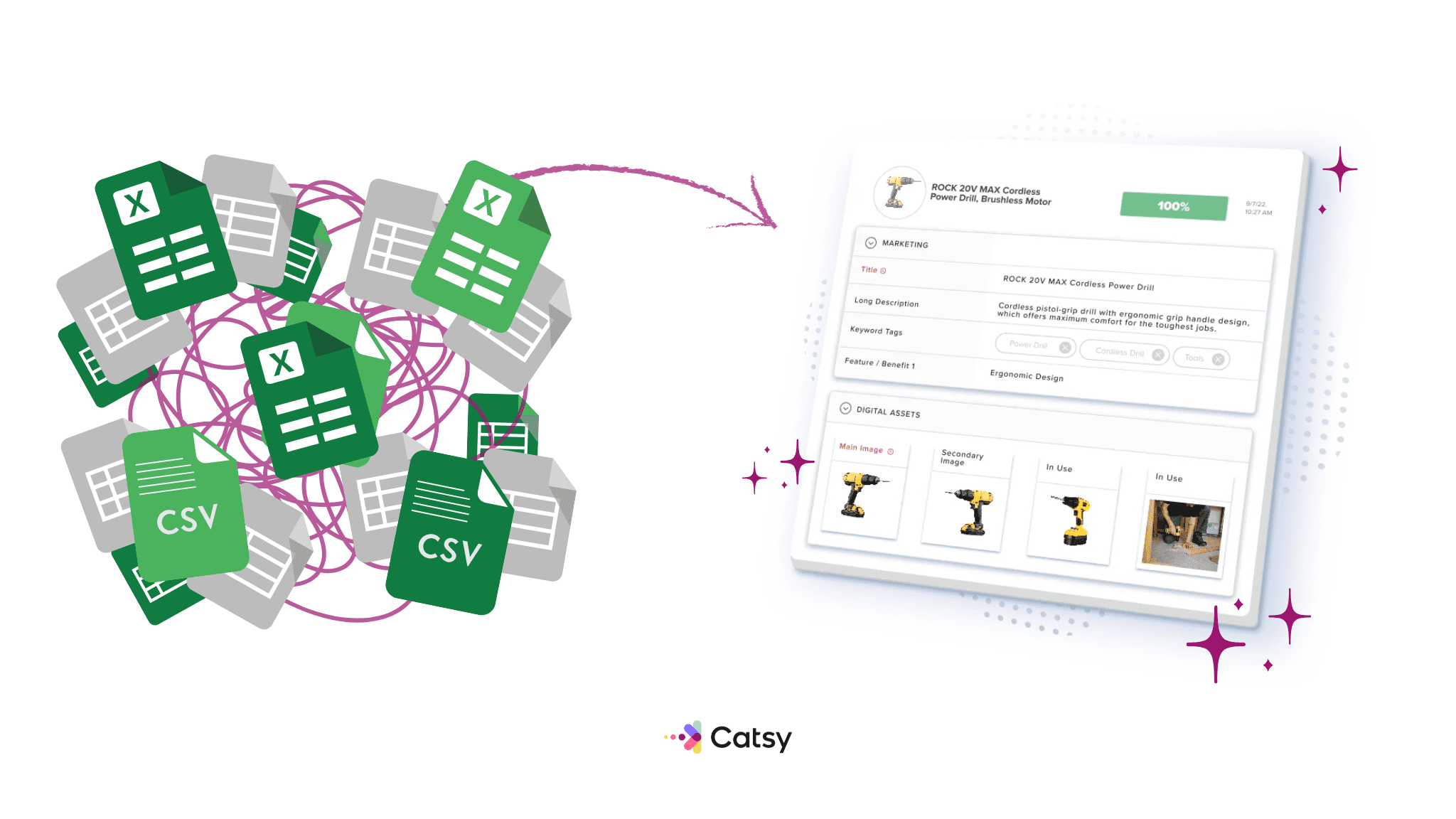
The real bottleneck is product data consistency. When you’re managing the same product across three storefronts with different languages (English, German, Japanese), measurement systems (imperial vs metric), compliance requirements (CE marking, FCC certification), and pricing rules (VAT inclusive vs exclusive) — both Wix and Shopify struggle. This is the exact problem PIM software solves for scaling online stores.
4. Integration Ecosystem and Scalability
Shopify’s app ecosystem is primarily focused on enhancing ecommerce functionalities with integrations for Amazon, eBay, TikTok, Instagram, Facebook, advanced shipping, ERP and warehouse management connections, and conversion rates averaging 36 percent higher than competitors.
Wix’s app market includes apps designed to enhance general website functionalities. Its core sales channels are covered (Facebook, Instagram), but manual workarounds are common for advanced features.
Pricing: Wix’s Core plan starts at about $29 per month. Shopify’s Basic plan is also about $29 per month when billed annually. Shopify pricing ranges from about $29 to $299 per month. Wix offers a free plan with ads and limits. Shopify does not offer a permanent free plan but provides a free trial.
5. The PIM Solution: Managing Product Data at Scale
According to Allied Market Research, the global PIM market was valued at $9.90 billion in 2019 and is projected to reach $59.25 billion by 2027, growing at 25.2% CAGR. This explosive growth reflects what multi-store merchants already know: product data management is the real bottleneck to scaling your online business.
What PIM software solves:
The Best PIM for Shopify integration creates the missing layer between your product data and your storefronts. While Shopify handles the transaction layer brilliantly, PIM manages the information layer that makes those transactions possible across all channels.
