
B2B sales success requires more than product knowledge and a skilled sales team. Industrial buying cycles are long, complex, and typically involve multiple stakeholders and approval layers. And most teams are losing more of those deals than they win — average B2B win rate has compressed to around 19 percent, down from roughly 29 percent the year before. Most opportunities stall due to slow response times, incomplete information, poor qualification, or weak follow-up. In many cases, the product itself is not the issue. The process is.
Industrial sales teams also spend far less time actually selling than most leaders realize. Reps often spend hours searching for documents or confirming specifications instead of speaking with buyers. When a rep spends more time formatting quotes and locating technical information than presenting solutions, that's revenue lost every single day, quietly, in a way that never shows up on a scorecard. Centralized product information becomes the foundation for change. When the data is accurate, available, and easy to retrieve, quoting gets faster and the friction just disappears. Deals move instead of stalling.
Understanding Buyer Behavior in B2B Sales
B2B buyers evaluate carefully. A single purchase decision can affect uptime, safety, supply availability, operational output, or regulatory compliance. That level of responsibility means buyers gather evidence, validate assumptions, and talk the purchase through internally before committing. The result is a long, multi-directional evaluation cycle that lives and dies on detail and accuracy.
Buyers want clarity. They want proof. They want documentation showing how the product fits their environment, and confidence that the vendor will still be reliable after the invoice is paid. Trust matters, but trust alone doesn't close anything — buyers need information that justifies the decision internally to procurement, engineering, and executive leadership, often all at once.
Companies that get this close deals more reliably. They use CRM analytics to read engagement levels and intent signals. They take an account-based approach, tailoring communication to engineering, procurement, and executive leadership based on what each actually cares about. Selling to a company is really selling to a committee of people, each holding a different priority — and sales performance improves when the process bends to how buyers actually decide, not how sellers wish they would.
1. Centralize Your Product Information for Faster Sales Cycles
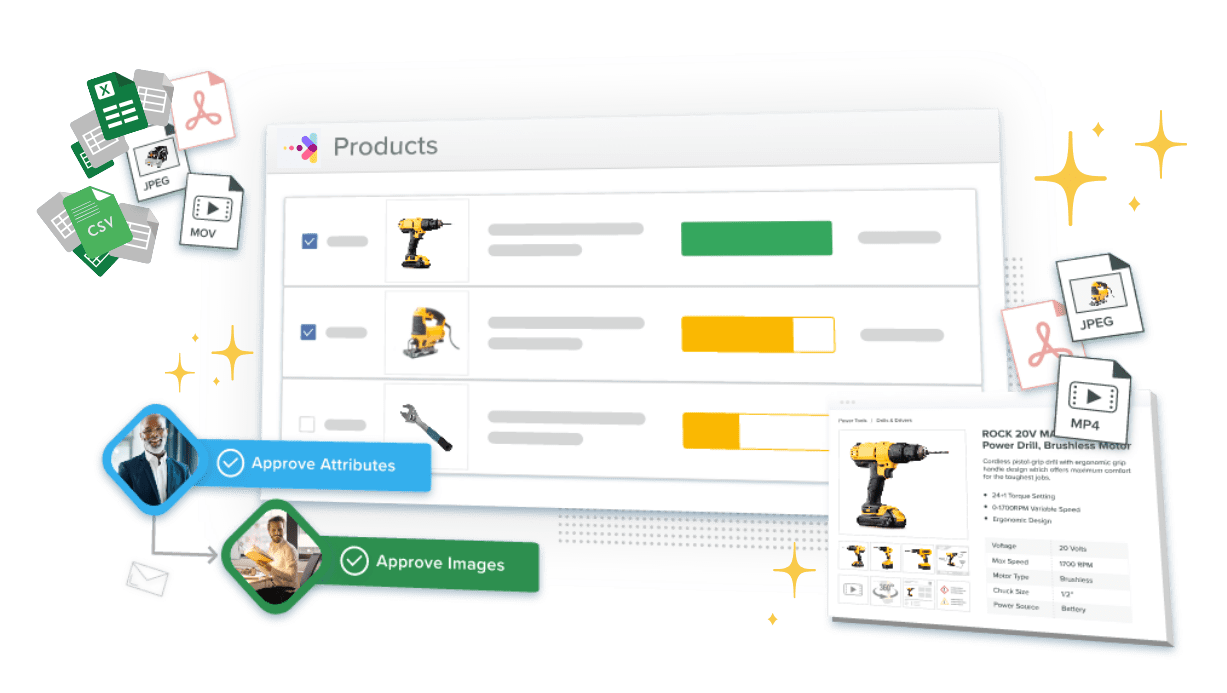
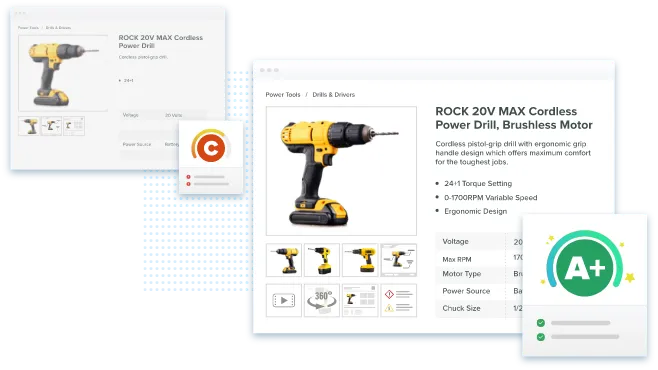
Centralized product information solves this directly. A PIM system creates a single source of truth where specifications, pricing, certifications, drawings, materials, inventory details, and compatibility notes all live together. When information is easy to find, salespeople move quickly and confidently, and the buyer feels fewer delays.
Centralization also cuts down on quoting mistakes. Outdated documents get shared by accident constantly when information sits in multiple places. A PIM ensures everyone's working off the same verified, current data — which protects revenue, reduces returns, and keeps the sales team's technical credibility intact.
Manufacturers selling complex products benefit most from this. Thousands of SKUs, variant specs, assembly configurations, and compliance requirements simply can't be managed across scattered spreadsheets — not reliably, anyway. Centralization isn't optional for modern B2B selling anymore. It's the baseline.
2. Leverage Data-Driven Insights to Qualify Leads Better
Data fixes this. Ideal Customer Profiles define which accounts actually hold buying potential. Buyer intent signals — repeat page visits, document downloads, return interest patterns — flag who's genuinely preparing to evaluate. When teams pursue leads based on fit and engagement instead of hope, close rates go up, and not marginally.
Structured qualification lets reps work smarter instead of harder. Rather than spreading effort thin across low-potential accounts, the team concentrates on fewer accounts with real probability behind them. That sharpens forecasting and shortens the cycle, because energy goes toward buyers who've already shown intent. The growth here comes from fewer wasted hours as much as from more wins.
3. Optimize Follow-Up Strategies to Convert More Prospects
Effective follow-up is persistent, structured, and value-driven. Instead of asking whether the buyer's ready to move forward, the rep sends something that helps the buyer move forward internally — a case study, a side-by-side comparison, a spec sheet, an ROI calculator, a demo video, an implementation roadmap. Each touchpoint answers a question or clears a specific piece of friction.
A centralized product system makes this easier to sustain. When specs are ready to share and documents attach in seconds, the rep keeps momentum without extra effort. Buyers respond faster because they got clarity instead of another ask for their time. The deal is rarely won in the first conversation. It's won in the seventh conversation that kept going after everyone else's competitor gave up.
4. Reduce Sales Rep Administrative Time with Automation
Automation fixes this imbalance directly. Automated quoting pulls product data straight from the PIM instead of manual entry. CRM triggers remind reps to follow up so opportunities stop falling through the cracks. Proposal templates populate instantly with specs, pricing, and model variants — no retyping.
It also cuts down on error. Copy-and-paste spreadsheets are basically a mistake generator by design. Automated population means every quote is accurate and current, which builds trust and removes the confusion that would otherwise slow the buyer's decision down. Reps sell more when they spend less time getting ready to sell.
5. Deliver Personalized Product Experiences at Scale
PIM systems make personalization scalable. Reps can filter catalogs by use case or industry and generate tailored product pages or documentation without rebuilding content from scratch each time. Buyers get only the information that matters to them, instead of a generic product summary that just raises more questions than it answers.
Personalization raises close probability because clarity lowers perceived risk. Procurement moves faster when documentation matches their compliance requirements. Engineers evaluate more easily when specs match their operating conditions. Executives approve with more confidence when ROI is framed in their context. A buyer who sees themselves in the solution is a lot more likely to move forward — and to fight for the purchase internally once you're not in the room.

Key Takeaways

Frequently Asked Questions
Centralized product data, real qualification discipline, structured follow-up, automation of manual work, and personalized content delivery. Each one removes a specific kind of friction from the buying process, and together they build a more confident path for the buyer and a higher-converting process for the seller. None of it requires more leads — just getting more out of the ones already in the pipeline.
Focus resources on high-potential leads, automate the low-value tasks, and respond to buyers faster with better information. Shorter response times shrink the sales cycle. Better qualification means fewer hours spent on accounts that were never going to close. It's less about finding more leads and more about not wasting the ones you've already got — which starts with making sure the product data your reps rely on is actually current.
PIM systems, CRM platforms, sales enablement software, quoting automation, and forecasting analytics form the strongest foundation. PIM matters more than people expect for industrial manufacturers specifically, since it's the one that eliminates the data scatter behind slow quoting, avoidable errors, and eroded technical credibility. Stacked together, every rep performs better with less admin drag.
Longer evaluation cycles, more stakeholders, higher technical expectations. Buyers need proof, spec confidence, and internal agreement before committing — relationships and documentation quality matter far more than emotional urgency or a limited-time offer. The evaluation committee — engineering, procurement, operations, executive — all need different information to land on the same yes, which is a fundamentally different sale than convincing one person to click "buy."
Consultative selling, documentation-backed proposals, demo-based education, and configuration transparency. Buyers want to be walked through the detail and the use cases before they'll commit to anything. The easier you make it for them to justify the purchase internally — spec sheets, ROI numbers, compliance docs, an implementation roadmap — the faster it moves through approval.
Cut the administrative burden. Automation, clear qualification criteria, centralized content access, and structured follow-up all free reps to spend more time selling and less time preparing to sell. The gain comes from less waste inside each hour, not longer hours — a rep who spends 60 percent of the day actually selling will beat a rep who spends 30 percent, regardless of raw talent.
Consistency. No lead gets ignored, no follow-up gets forgotten, no opportunity stalls for lack of information. It also makes performance actually measurable — when the process is defined, a manager can point to exactly where deals stall instead of guessing. Over time, that consistency is what turns into higher close rates and forecasting you can actually trust.
Where to Next?
Industrial B2B sales is a long game, won by the teams that stay organized, respond faster, and hand buyers the right information at every stage of evaluation. That's not really a sales technique — it's the product data foundation sitting underneath every quote, every follow-up, and every proposal your reps send out. The guides below cover what that foundation looks like in practice.
Give Your Sales Team the Product Data Foundation They Need
Catsy's PIM + DAM gives industrial sales teams instant access to accurate specifications, current certifications, and channel-ready product content — so reps spend their time selling, not searching.
Book a Demo