
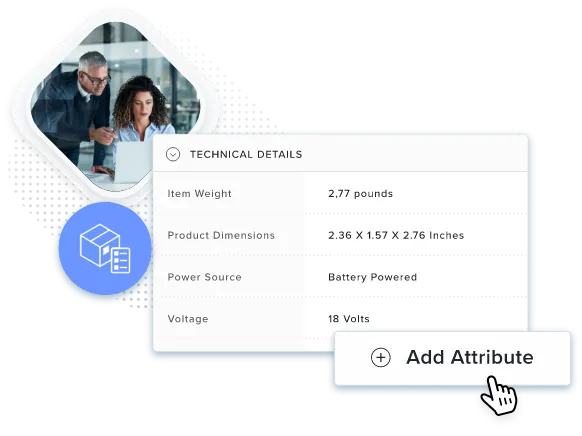
Managing product attributes across multiple marketplaces shouldn’t feel like solving a 5,000 piece puzzle. But that’s precisely what happens when you manually map your attributes for Amazon, eBay, Walmart, and more. Each have unique specifications – manual processes just aren’t sustainable.
A free dynamic attribute assignment tool can solve this headache by automatically identifying, then assigning, the correct attributes for each product category – and each marketplace! Rather than spending hours cross-referencing compliance guides, you can leverage instant templates, detect errors in real time, and integrate beautifully with your marketplaces. The result? Fewer listing rejections, faster time to market, and complete marketplace compliance… without the complexity!
1. Understanding Dynamic Attribute Assignment
Traditional attribute management forces you to manually research what each marketplace requires, then map your internal product data to those specifications. Product attributes vary significantly across platforms, creating bottlenecks that delay product launches and limit your ability to scale.
Dynamic attribute assignment changes this equation. The technology analyzes your product type and generates the expected attribute structure. Instead of hardcoding every possible attribute scenario, the solution adapts based on what each marketplace expects.
The key benefits include:
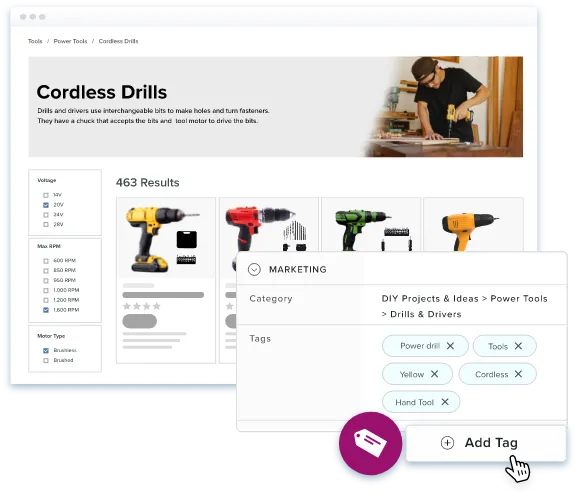
2. Why Marketplace Compliance Depends on Correct Attributes
Marketplace compliance isn’t optional. Platforms use automated type checkers that scan every listing for required attributes. Amazon runs validation functions that search for specific attributes based on product category. Fail to pass this check, and your listing never goes live.
Category-specific examples include:
Regional variations add another layer. Selling in the EU requires different attributes than the US market. The consequences escalate quickly. Listing suppression means lost sales. Account health scores drop with repeated violations. According to research, 56 percent of online returns stem from misleading or poor product content, often because incomplete attributes created incorrect customer expectations.
3. How Free Attribute Management Tools Save Time and Money
Teams spend over 30 hours weekly managing attributes for just 200–300 products. A free dynamic attribute assignment tool eliminates this repetition. Real-world outcomes show companies implementing automated attribute management reduce time-to-market by 40 percent while improving listing quality.
The best dynamic attribute assignment tool delivers these benefits without complexity or cost barriers. Free tools make sophisticated attribute management accessible to businesses of all sizes.
4. Key Features of the Best Dynamic Attribute Assignment Tool
The most effective solutions share specific capabilities:
5. Implementing Automated Attribute Assignment in Your Workflow
Phase 1: Audit your current attribute landscape. Export your product data and identify which attributes you’re already capturing versus what marketplaces require.
Phase 2: Configure templates and mapping rules. Using your audit results, set up templates for each product category and map your internal field names to marketplace requirements.
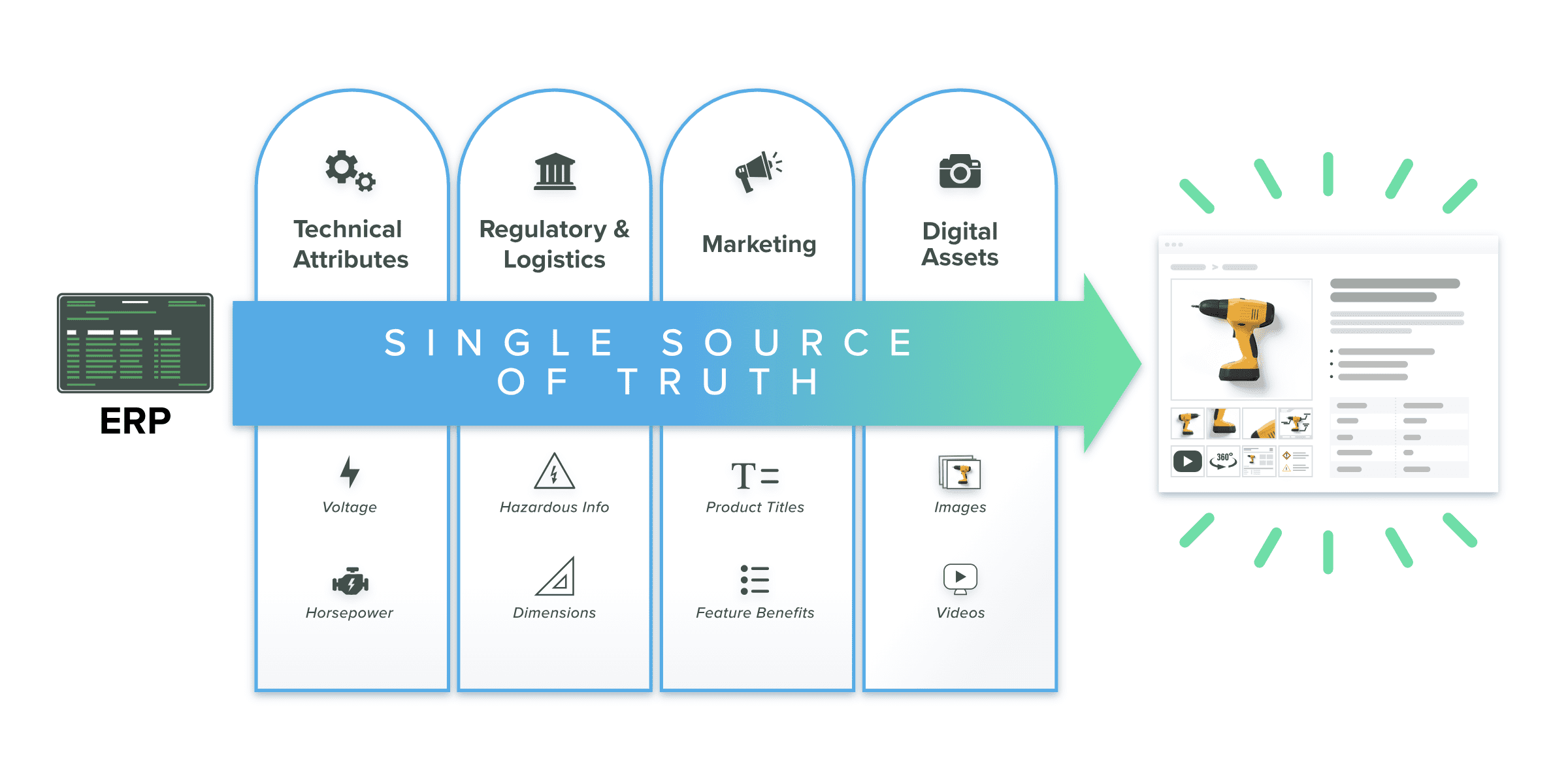
Phase 3: Integrate with existing systems. Your attribute management tool should connect to wherever product data currently lives, whether that’s ERP software, ecommerce platforms, or spreadsheets.
Phase 4: Train your team on new workflows. Focus training on exception handling: what to do when automated processes flag issues requiring human judgment.
Phase 5: Monitor performance and optimize continuously. Track key metrics like listing rejection rates, time-to-market for new products, and data completeness scores.

Key Takeaways

Frequently Asked Questions
A dynamic attribute assignment tool automatically identifies and assigns correct product attributes required by different marketplaces. Instead of manually researching and mapping attributes, the tool analyzes your product category and automatically applies appropriate attributes.
Automated systems maintain current databases of marketplace requirements for every category and region. They validate that all mandatory attributes exist with valid values before submission, preventing listing rejections by catching errors proactively.
Yes, quality free tools support major marketplaces including Amazon, eBay, Walmart, Shopify, and others. They automatically adjust attribute formatting and requirements for each platform.
Static attributes require manually selecting options for each product based on fixed templates. Dynamic attributes automatically determine which options apply based on product category, marketplace destination, and current compliance requirements.
PIM software provides the central repository for all product information. Attribute assignment tools ensure that information is properly formatted and distributed to each sales channel.
Frequent errors include incomplete mandatory fields, incorrect values, inconsistent data across channels, outdated information, and missing region-specific attributes required for international selling.
Most businesses see immediate improvement in listing approval rates. Time-to-market improvements typically manifest within 2–4 weeks. Full benefits usually become evident within 60–90 days.
Where to Next?
AI is no longer a future consideration for product information management. It is already reshaping how manufacturers and distributors enrich content, govern data quality, and scale across channels without adding headcount. Catsy’s connected PIM and DAM platform handles the complexity of large, multi-channel catalogs. When you are ready to go deeper, our guides below walk through the decisions that matter most before you commit to a platform.
Stop Losing Listings to Attribute Errors
Catsy’s PIM platform includes built-in attribute management and validation — so every product meets marketplace requirements before it goes live. One governed source. Zero compliance gaps.
Book a Demo