
The impact of PIM on supply chain efficiency becomes clear the moment your product data stops matching up. A shipment arrives late because a specification changed but the change never reached production. A product launch gets delayed because marketing and logistics are working from different versions of the same file. These problems usually don’t begin with logistics. They begin with product data.
Your supply chain depends on having the correct product data at every step. From sourcing and manufacturing to distribution and sales channels, decisions only work when the information used to make them is accurate and available on time. When that information lives in disconnected systems, the entire supply chain slows down. Product Information Management (PIM) changes how this works.
1. How Product Data Quality Drives Supply Chain Performance
When product details are wrong, supply chain performance suffers even when every other operational element is functioning correctly. Supply chain managers rely on accurate data to plan schedules and hit delivery deadlines. When teams work with outdated or conflicting information, mistakes follow. Manual data entry is error-prone by nature, and even small inaccuracies propagate across an interconnected supply chain.
High-quality product data brings stability. When product information is correct and current, supply chain operations run more smoothly with fewer interruptions. When it isn’t, costs rise quietly through rework, delays, and customer complaints that trace back to a specification mismatch no one caught until it was too late.
Why Data Quality Is a Supply Chain Problem, Not Just a Content Problem
2. Breaking Down Data Silos Across the Value Chain
Data silos create mismatches that slow down supply chains and make coordination harder. When teams can’t trust the data they’re working with, they hesitate, double-check everything, and lose momentum. Errors that should be caught at source instead cascade downstream where they’re expensive to fix.
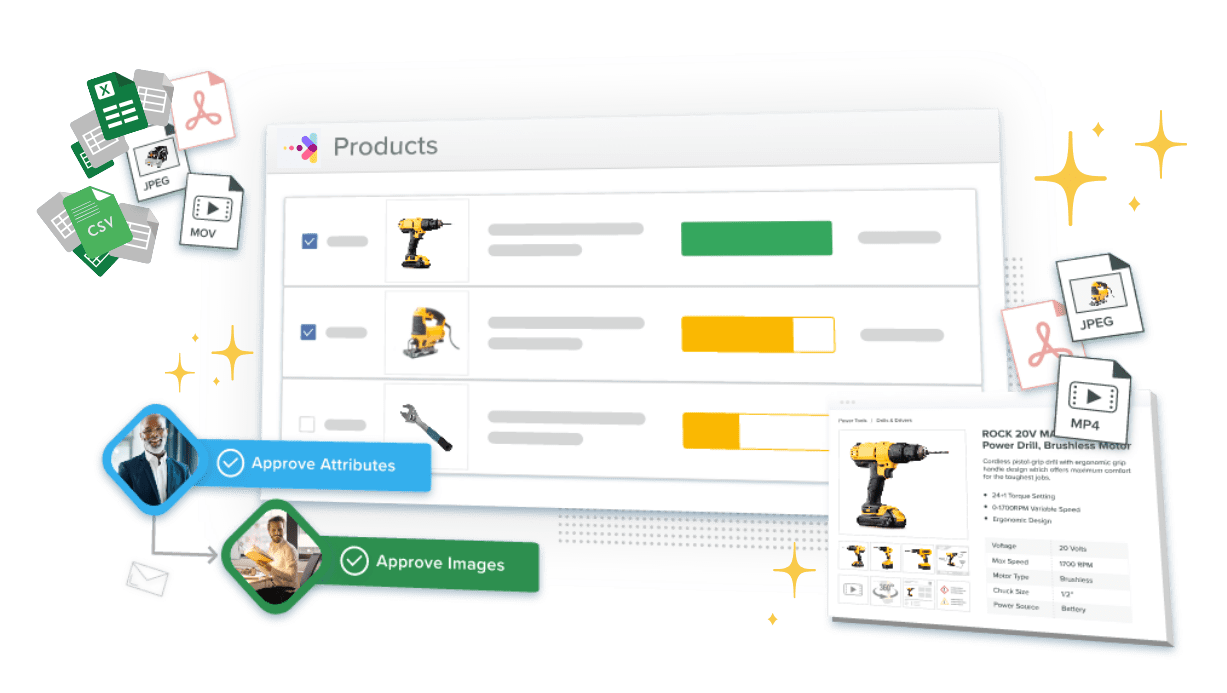
PIM software breaks down these silos by bringing supply chain teams onto a shared system. When everyone works from the same centralized source, collaboration improves, delays become less frequent, and decisions can happen without stopping to verify whether the data is current. A single clear view of accurate product data supports the whole supply chain — from suppliers to distributors — and cuts the friction that holds operations back.
What Silo Elimination Looks Like in Practice
3. Reducing Operational Costs Through Centralized Information
PIM solutions reduce these operational costs by improving data accuracy at the source. When product information is centrally managed, automated workflows replace manual data entry. Human errors decrease, and so does the time spent correcting them. The efficiency gain compounds: fewer errors mean fewer corrections, fewer corrections mean fewer delays, and fewer delays mean lower costs throughout the supply chain.
Where Savings Show Up After PIM Implementation
4. Accelerating Time-to-Market With Real-Time Visibility
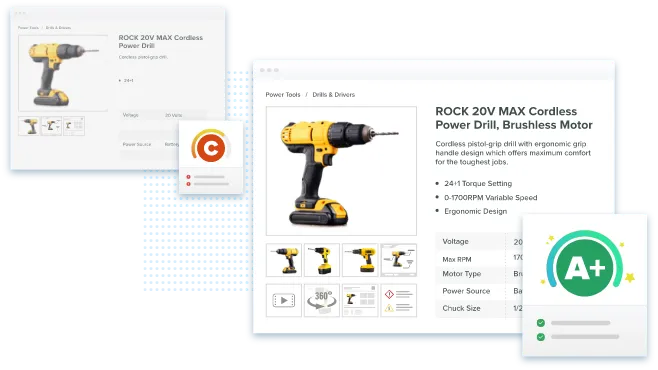
When product data is centralized in a PIM, launch processes change fundamentally. Marketing, logistics, and sales teams access the same information simultaneously rather than waiting for handoffs. Automated workflows route product data to connected systems and channels without manual intervention, meaning launches can roll out across multiple channels with confidence.
Supporting Multiple Sales Channels Without Extra Complexity
Products today move through online stores, distributors, and global marketplaces simultaneously. Each sales channel has its own data format requirements, but customers expect consistent product information everywhere they encounter your brand. PIM software manages this through automated syndication — updates happen once in the PIM and flow to all connected channels without manual re-entry or formatting. This consistency improves customer experience, supports retention, and reduces the confusion that comes from mismatched product information across touchpoints.
The Role of Digital Assets in Supply Chain Efficiency
Digital assets — images, documents, certifications, and manuals — are tightly connected to supply chain performance even though they’re typically treated as a marketing concern. Digital Asset Management (DAM) integrated within a PIM system ensures that digital assets stay connected to the correct product data. When assets are managed alongside product information rather than in separate systems, teams stop wasting time searching for files or verifying which version is current. High-quality product data combined with accurate digital assets produces smoother operations and helps ensure customers receive exactly what they expected to order.
5. Building Supply Chain Resilience in Volatile Markets
PIM systems build resilience by keeping product data accurate and organized through periods of uncertainty. With centrally managed data, teams can assess alternatives quickly, update sales channels without confusion, and maintain accurate information even when supply chain conditions are shifting rapidly. Accurate information during disruptions protects customer satisfaction and supports retention even when conditions aren’t ideal.
Data Governance as the Foundation for Long-Term Efficiency
Data governance often determines whether a PIM implementation succeeds over time. Without it, even a well-configured system loses value as data quality erodes through inconsistent updates, unclear ownership, and accumulated exceptions. A strong governance framework defines who owns each category of product data, how updates are reviewed and approved, and what standards product records must meet before reaching downstream systems. PIM solutions support data governance by enforcing validation rules that reduce human errors and protect data integrity for both operational decisions and long-term planning.
Measuring Impact Through Key Performance Indicators
To quantify the impact of PIM on supply chain efficiency, track metrics that reflect real operational outcomes:
Integrating PIM With ERP and Other Enterprise Systems
PIM systems deliver the most value when integrated with ERP, PLM, and other enterprise platforms. This integration ensures product data flows smoothly across procurement, manufacturing, and distribution without duplicate entry. The architecture is straightforward: ERP manages transactional data (pricing, inventory, order management), engineering or PLM systems own specifications and design files, and PIM governs commercial product content — enriching records and distributing them to every downstream channel. Supply chain managers gain better visibility into the complete product record, and business operations become easier to coordinate because everyone draws from the same governed source.
